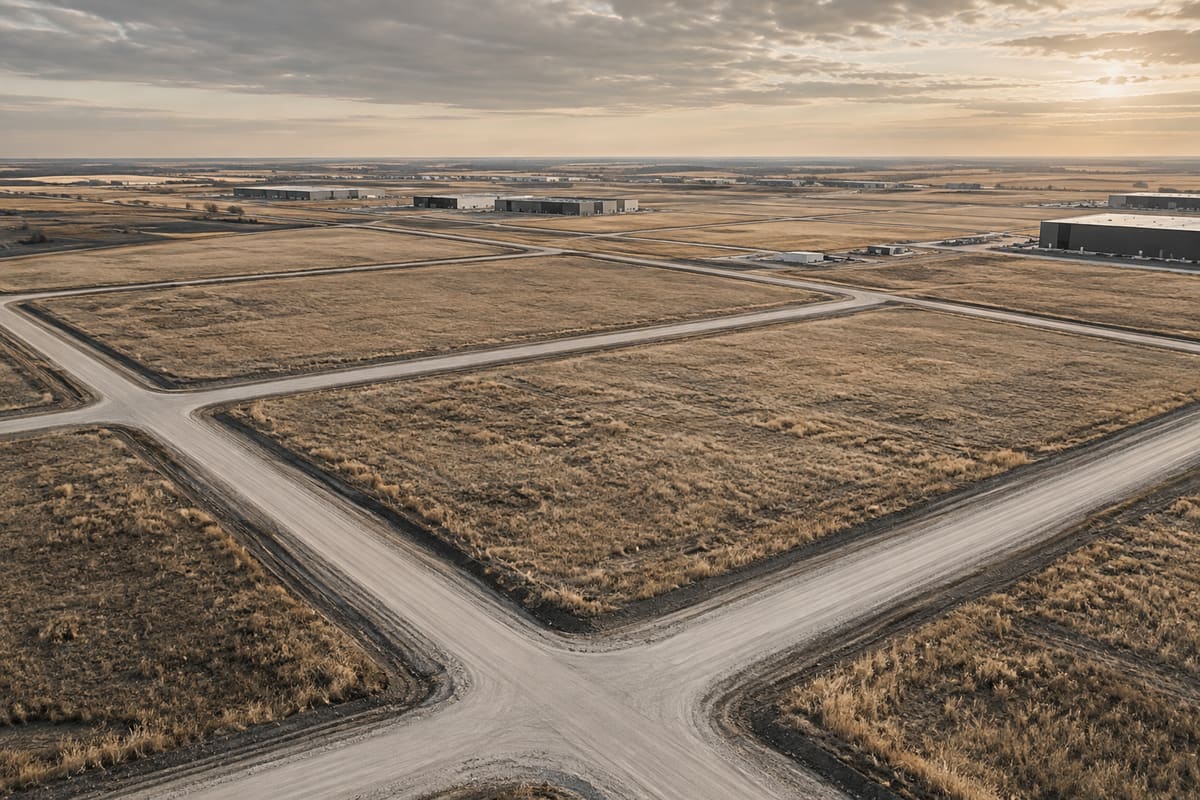
The right agricultural property is the parcel that supports the buyer's intended operation after title, physical, water, regulatory, environmental, financing and possession constraints are understood. Listing descriptions and aerial imagery are useful discovery inputs, not substitutes for a disciplined acquisition plan.
This is general information, not legal, tax, environmental, engineering, accounting or investment advice. Obtain advice specific to the property and transaction.
1. Define the intended operation before searching
State the intended crops, livestock, storage, processing, residence, rental, expansion or investment use; required productive acres; soil and water needs; equipment access; buildings; labour; market access; capital; financing and timing.
Separate what must exist at closing from what might be built, approved or improved later. A current agricultural designation or use does not guarantee a buyer's proposed intensity, buildings, subdivision or commercial activity.
2. Verify title, boundaries and usable acres
Obtain current title, registered plans and interests for every parcel. Reconcile legal description and gross titled acres to observed boundaries, fences, cultivation and the seller's acreage schedule. Investigate encroachments, easements, rights of way, caveats and access with legal and survey professionals.
Quantify cultivated, irrigated, pasture, hay, yard and constrained acres separately. Provincial CLI transfer reports and soil maps provide broad context and expressly do not constitute a property appraisal or site-specific land-capability conclusion.
3. Test soils, drainage and production evidence
Review soil classification, salinity, drainage, erosion, slope, flooding, crop history, yields, inputs, weeds and disease with qualified agronomy support. Sample and inspect where the decision requires it.
The provincial soil viewer is generalized at approximately 1:100,000 scale. Do not infer a field's condition, productive capacity or value from a regional map layer alone.
4. Verify water as separate legal and physical systems
Inspect and test wells, dugouts, springs, pipelines, pumps, reservoirs and irrigation works. Reconcile well reports to actual locations and current condition; historical database records do not establish present yield, potability or lawful use.
Have professionals distinguish Water Act household rights, registrations, licences and allocation transfers from irrigation-district service or other contracts. Confirm appurtenance, notice, consent, fees, works, operating limits and transfer treatment before relying on water in the acquisition case.
5. Inspect improvements and operating approvals
Use qualified building, septic, electrical, mechanical, structural and other inspections appropriate to residences, shops, barns, bins, corrals, handling systems and specialized improvements. Identify leased, financed or third-party-owned equipment.
Confirm municipal land use, development and building records. For a confined feeding operation, review the NRCB permit type, approved livestock and facilities, conditions, compliance and proposed changes rather than assuming the seller's operation can continue or expand unchanged.
6. Investigate energy, environment and neighbouring uses
Search AER and title records for wells, pipelines, facilities, access and reclamation, then obtain agreements and site-specific professional review. Map symbols do not determine exact boundaries, contamination, liability, compensation or reclamation completion.
Review fuel and chemical storage, manure, lagoons, waste, burn areas, septic, wells, spills and current provincial environmental records. Consider neighbouring energy, livestock, industrial, aggregate, transportation and drainage uses that could affect operation or financing.
7. Resolve possession, leases and ownership eligibility
Document crop, pasture, surface, residential and other leases; rent and deposits; renewal and termination; current crop ownership; harvest access; inputs; stored grain; livestock; revenue; and the exact possession date. Vacant possession should be an evidence-backed closing term, not an assumption.
Foreign buyers and foreign-controlled entities must obtain Alberta legal advice on the Foreign Ownership of Land Regulation. The province currently describes general limits of two controlled-land parcels containing no more than 20 acres in aggregate, subject to exemptions and detailed rules that must be checked at the transaction date.
8. Build conditions, financing and closing around evidence
Coordinate title, survey, financing, appraisal, water, soil, environmental, building, septic, regulatory, tax and insurance reviews with enough time and access. Tie conditions to defined evidence and decision rights.
Tax treatment varies materially by facts and structure. Allocate land, residences, improvements, equipment, inventory and other assets with legal, accounting and tax advice. This guide is educational and is not legal, tax, agronomy, appraisal, environmental, engineering, lending or investment advice.
Primary sources
Verify the current rules.
Government and regulator pages can change. These links were reviewed on August 26, 2026.
Alberta: Find land titles documents and plans↗Alberta: Alberta Soil Information Viewer↗Alberta: Agricultural real estate transfers↗Alberta: Water allocations and transfers↗Alberta: Water wells web application↗Alberta: Foreign ownership of land↗Alberta: Environmental Records Viewer↗RECA: Real Estate Act↗RECA: Real Estate Act Rules↗FINTRAC: Real estate sector requirements↗NRCB: Confined feeding operation applications and permits↗AER: Systems and tools↗A real property decision?
Define the Alberta region, productive acreage, operation, water, improvements, budget, financing and timing.Who, how and why
Who: Commercially Research & Editorial.
How: Primary-source research and AI-assisted drafting were used to organize this guide around a practical commercial real estate decision. Source links, factual claims and material limitations were checked against Commercially's editorial standards on the review date.
Why: To help owners, buyers and tenants identify the records, questions and professional advice that belong in a real transaction work plan.
Editorial owner: Commercially Research & Editorial.
Commercial review: Slav Loban, Commercial Real Estate Division Leader.
Questions or corrections: hello@commercially.ca
Editorial review and correction standard →