Municipal assessment
A mass-appraisal record prepared for municipal taxation under Alberta's assessment framework and the municipality's effective dates.
Calgary Commercial Property Owners
Assessment, appraisal, brokerage market evidence and transaction price answer different questions. Start with the property, decision and effective date.
Local valuation framework
Calgary completes non-residential assessments annually for taxation and may use sales-comparison, income or cost approaches. The assessment reflects the City's estimate of market value as of July 1 of the prior year and the property's characteristics and condition as of December 31. That effective-date structure matters when an owner compares an assessment with a current sale or refinancing decision.
A Calgary brokerage market review asks a different question: how might the specific property compete in the current market for a stated sale, lease or acquisition strategy? It should reconcile current property evidence, relevant completed transactions where lawfully available, live asking competition, buyer audiences, financing conditions and execution risk without calling the result an appraisal.
2026 official tax-rate record
The City publishes a 2026 non-residential City rate of 0.0179986 and provincial rate of 0.0041502, for a stated total of 0.0221488.
$22,148.80 per $1,000,000 assessed value before the stated exclusions.
+1.47% from 2025 and +0.71% from 2024 at an unchanged assessed value. Neither figure is the actual bill change for a particular property.
A property can have apportioned assessment classes or account-specific charges. The current assessment and tax notice control.Compare the official 2024–2026 series →The 2026 annual deadline has passed. Use the exact date on any amended or supplementary notice and begin the 2027 pre-roll evidence file before the next annual notice.
2026 City methodology
Compare current City treatment for industrial, office, retail, multi-residential, vacant land, accommodation and specialized property. The source record keeps municipal mass appraisal separate from current brokerage strategy.
Open the seven-group methodology record →Four different records
Commercially provides brokerage market strategy through appropriately licensed professionals. It does not provide appraisal, assessment-agent, tax or legal opinions.
A mass-appraisal record prepared for municipal taxation under Alberta's assessment framework and the municipality's effective dates.
A current, property-specific analysis supporting a contemplated sale, lease or acquisition strategy. It is not a formal appraisal.
A value opinion completed by a qualified appraiser for a defined client, intended use, interest, effective date, scope and reliance.
An asking price is market positioning. A completed price is the result of a specific negotiation, terms, diligence, financing and closing.
Subject-property evidence
Current title, legal parcels or condominium units, registered interests, land-use district, approvals, occupancy and any unresolved property-file issue.
Executed leases and amendments, rent roll, collections, recoveries, vacancy, options, arrears, inducements, leasing capital and normalized operating statements.
Measured areas, age, condition, systems, loading, parking, access, environment, repairs, deferred capital and the evidence supporting every functional claim.
Comparable transactions selected for the same property interest and effective period, plus current Calgary listings used only as asking competition—not completed-sale proof.
Reconciliation sequence
No online calculator, assessed value or citywide price average can replace the property-specific evidence and intended professional scope.
State whether the owner needs sale positioning, acquisition analysis, refinancing support, financial reporting, tax review or another conclusion. Evidence from different dates should not be blended without adjustment.
Separate fee-simple land and buildings from leaseholds, business assets, equipment, excess land, partial interests and rights that are not included in the proposed transaction.
Trace contract rent through vacancy, recoveries, expenses, capital and rollover risk. A single advertised cap rate is not a substitute for the lease and operating record.
Record evidence, adjustments, unresolved diligence, marketing exposure and the conditions under which a brokerage positioning range would need to be updated.
Property-type context
Lease rollover, vacancy, inducements, operating-cost recovery, parking and capital required to compete can materially affect the buyer's income and risk case.
Location, loading, clear height, power, yard, access, site coverage, condition and owner-user utility require property-specific evidence rather than a citywide price-per-square-foot shortcut.
Tenant covenant, lease structure, sales exposure, use restrictions, recoveries, co-tenancy, redevelopment rights and land contribution can change how market evidence applies.
For a transparent distribution of disclosed current asking prices, review the Calgary commercial asking-price record. It is separate from this property-specific valuation framework.
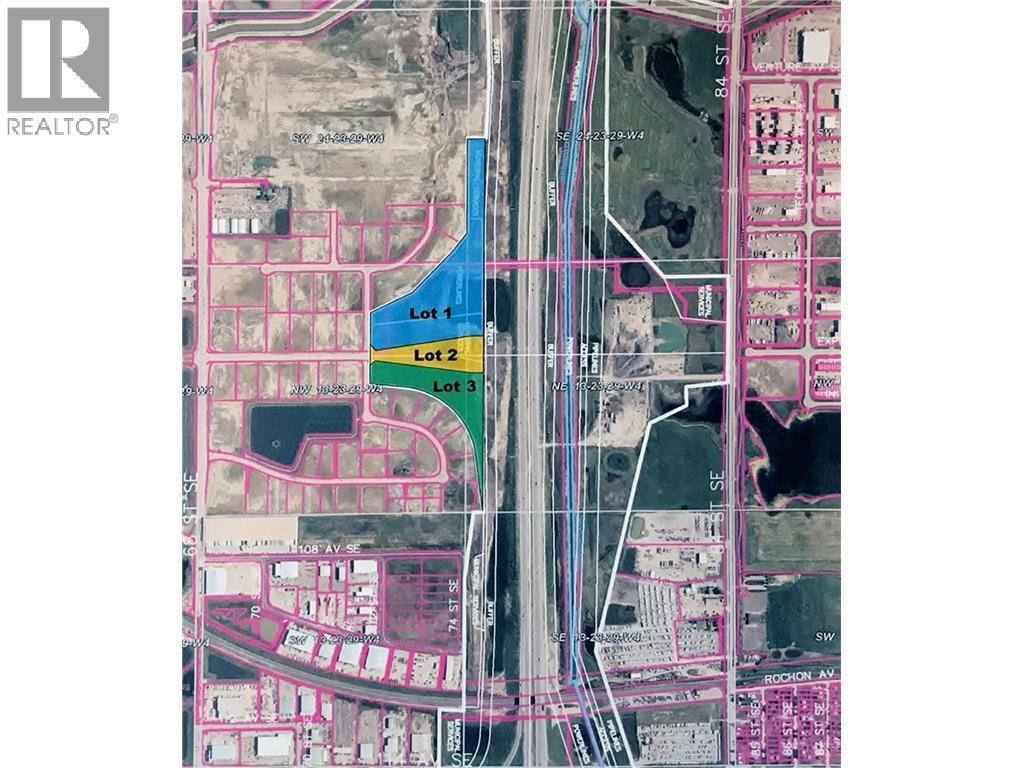 For Sale
10646 74 Street SE

Listing brokerage: RE/MAX Landan Real Estate · Listing representative: Bruce McIntosh · Board/association: Calgary · Updated: Jul 31, 2026
 For Sale
510, 634 6 Avenue SW
Listing brokerage: RE/MAX House of Real Estate · Listing representative: Yan Gong · Board/association: Calgary · Updated: Jan 24, 2026
 For Sale
500, 900 6 Avenue SW
Listing brokerage: CIR Realty · Listing representative: Bruce Miller · Board/association: Calgary · Updated: Sep 8, 2026
Primary sources
Editorial owner: Commercially Research & Editorial
Commercial review: Slav Loban, Commercial Real Estate Division Leader
Corrections: hello@commercially.ca
Editorial review and correction standard →Confidential Calgary market review
Share the address, property type, occupancy, income profile, timing and intended decision. Commercially can discuss a brokerage sale or leasing strategy. Formal appraisal, assessment, tax and legal work remain with the appropriately qualified professional.