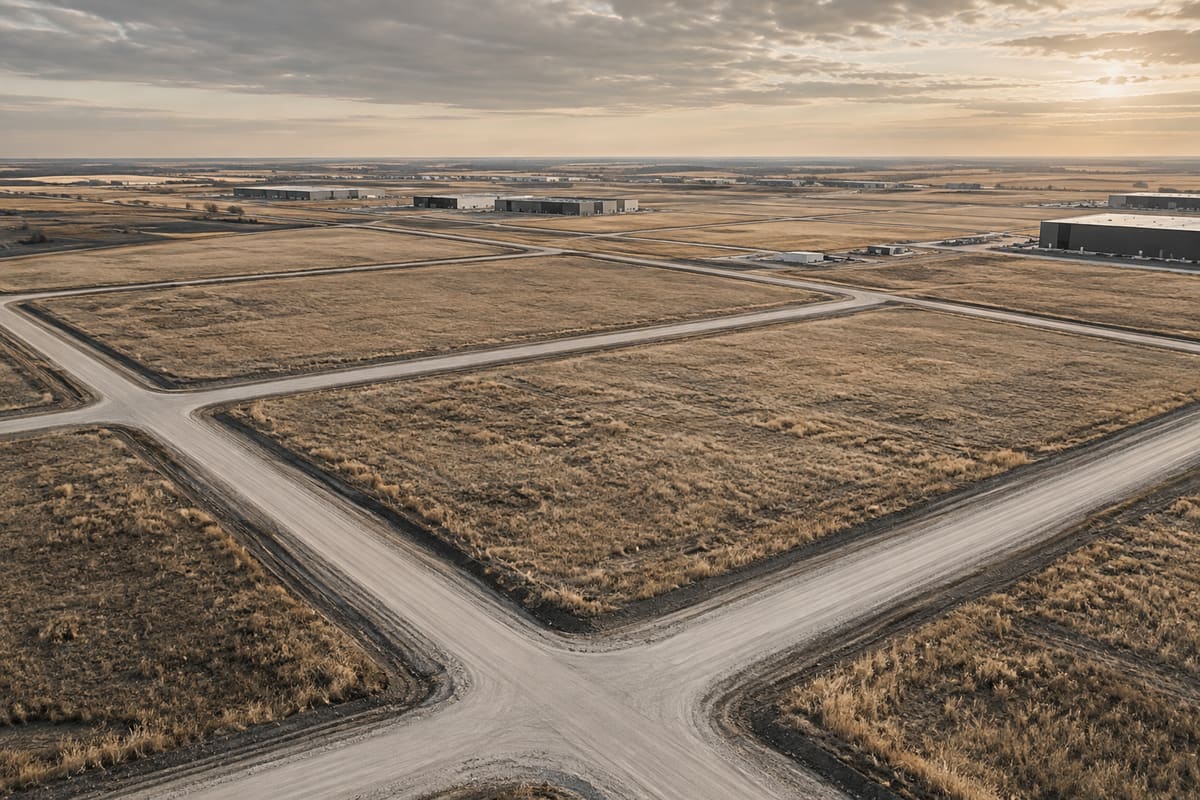
A development concept can draw one clean boundary around land that is legally fragmented across owners, titles, interests and timelines. An executable assembly requires a parcel-by-parcel control record: who owns what, what instrument controls it, what must happen before closing, and what remains outside the deal. A map, verbal understanding or developer announcement is not parcel control.
This is general information, not legal, tax, environmental, engineering, accounting or investment advice. Obtain advice specific to the property and transaction.
1. Build the assembly register from current titles
Identify every legal parcel, current title, registered owner, ownership interest, legal area, municipality and relevant current instrument. Link each civic or marketing address to its legal description rather than assuming the concept map is the property record.
Alberta Land Registry describes the current title as the present ownership and registered-interest record. Historical and cancelled titles help trace lineage, but they do not replace a current title for a transaction decision.
- Current title
- Legal parcel
- Registered owner
- Ownership share
- Municipality
- Control status
2. Separate ownership from authority to transact
For each owner, verify the entity, beneficial-interest questions for counsel, signing authority, estate or trust status, corporate approvals, co-owner consent and any representative mandate. Record mortgages, caveats, liens, leases, rights and pending registrations that may affect control or closing.
A broker introduction, confidentiality agreement, letter of intent or owner discussion does not itself establish authority to bind every registered interest.
3. Define the control instrument parcel by parcel
Identify whether each parcel is subject to an executed purchase contract, option, agreement for sale, right of first refusal, joint-venture agreement, lease, exclusive listing or no binding control. Have counsel determine the legal effect, registration strategy and interaction among instruments.
A caveat is notice of a claimed interest; Alberta Land Registry expressly notes that the claimed interest may or may not be valid. Caveat registration is not proof that the underlying contract is enforceable, complete or capable of closing.
4. Map sequence, dependencies and the critical parcel
Record deposits, condition dates, option periods, extension rights, access, confidentiality, assignment, closing, outside dates and termination consequences for each parcel. Test whether one missing parcel blocks access, servicing, density, frontage or the entire development concept.
Do not market an assembly as controlled merely because most acreage is controlled. State the exact controlled, conditional, under-negotiation and uncontrolled components using a current effective date.
5. Reconcile title geometry with the project boundary
Overlay registered plans, survey evidence, rights of way, roads, reserves, public utility parcels, access and physical occupation against the concept. Use an Alberta Land Surveyor where boundary, consolidation, subdivision or new parcel work is required.
A consolidation of titles is a land-registration process, not automatic municipal approval, removal of registered interests, physical consolidation or permission to develop. A subdivision plan creates legal parcels only after approval, survey and registration.
6. Control access, servicing and shared rights
Identify which parcel provides legal road access, utility corridors, drainage, stormwater, construction access, fire access or off-site work. Order the actual registered agreements and map which titles they benefit or burden.
Infrastructure crossing one parcel cannot be assumed available to the rest of an assembly. A utility right, easement, capacity, approval, cost and construction obligation are different facts.
7. Screen foreign-ownership rules early
Determine with counsel whether any parcel is controlled land under Alberta's Foreign Ownership of Land Regulations and whether a proposed owner, beneficiary, option holder, lessee or joint-venture participant triggers declarations or an exemption analysis.
Alberta states that virtually all land in a county or municipal district is controlled land, subject to the regulation and its exceptions. Commercial or development intent alone does not establish an exemption.
8. Protect confidentiality without misleading the market
Use owner-approved disclosure tiers for parcel identities, pricing, documents and outreach. Coordinate communications so one owner's status or target is not attributed to another and confidential negotiations are not described as completed control.
Commercially will not publish a private assembly, owner identity or claimed control without authority. Public marketing should distinguish a listed property from a larger buyer concept or potential future assembly.
9. Underwrite partial and failed-assembly outcomes
Model the project with all parcels, without each critical parcel and as separate acquisitions. Include duplicate deposits, extensions, carrying costs, professional work, financing, closing mismatch, interim ownership and resale exposure.
Assembly value is not automatically allocated by acreage, and a holdout does not automatically command a premium. Value and leverage depend on legal rights, alternatives, probability, cost, time and market evidence.
10. Maintain one dated control ledger
Track title date, owner authority, instrument, confidentiality, deposit, conditions, access, diligence, registration, expiry, extensions, closing, unresolved issues and responsible advisor for every parcel. Update the ledger after every amendment, title change or registration.
Commercially can coordinate brokerage search, owner outreach, listing strategy and transaction evidence. Lawyers, surveyors, planners, appraisers, engineers, accountants, tax advisors and authorities control their respective conclusions.
Primary sources
Verify the current rules.
Government and regulator pages can change. These links were reviewed on August 27, 2026.
Alberta Land Registry: What is a land title?↗Alberta Land Registry: Search registered documents↗Alberta: Land Titles procedures manual↗Alberta: Register a land-title document or plan↗Alberta Land Registry: Survey plans overview↗Alberta Land Registry: Caveats↗Alberta: Foreign ownership of land↗RECA: Real Estate Act Rules↗CRA: Commercial real property—sales and rentals↗A real property decision?
Share the target parcels, current control, owner outreach authority, intended use and timing. No owner contact or public disclosure occurs without an approved mandate.Who, how and why
Who: Commercially Research & Editorial.
How: Primary-source research and AI-assisted drafting were used to organize this guide around a practical commercial real estate decision. Source links, factual claims and material limitations were checked against Commercially's editorial standards on the review date.
Why: To help owners, buyers and tenants identify the records, questions and professional advice that belong in a real transaction work plan.
Editorial owner: Commercially Research & Editorial.
Commercial review: Slav Loban, Commercial Real Estate Division Leader.
Questions or corrections: hello@commercially.ca
Editorial review and correction standard →