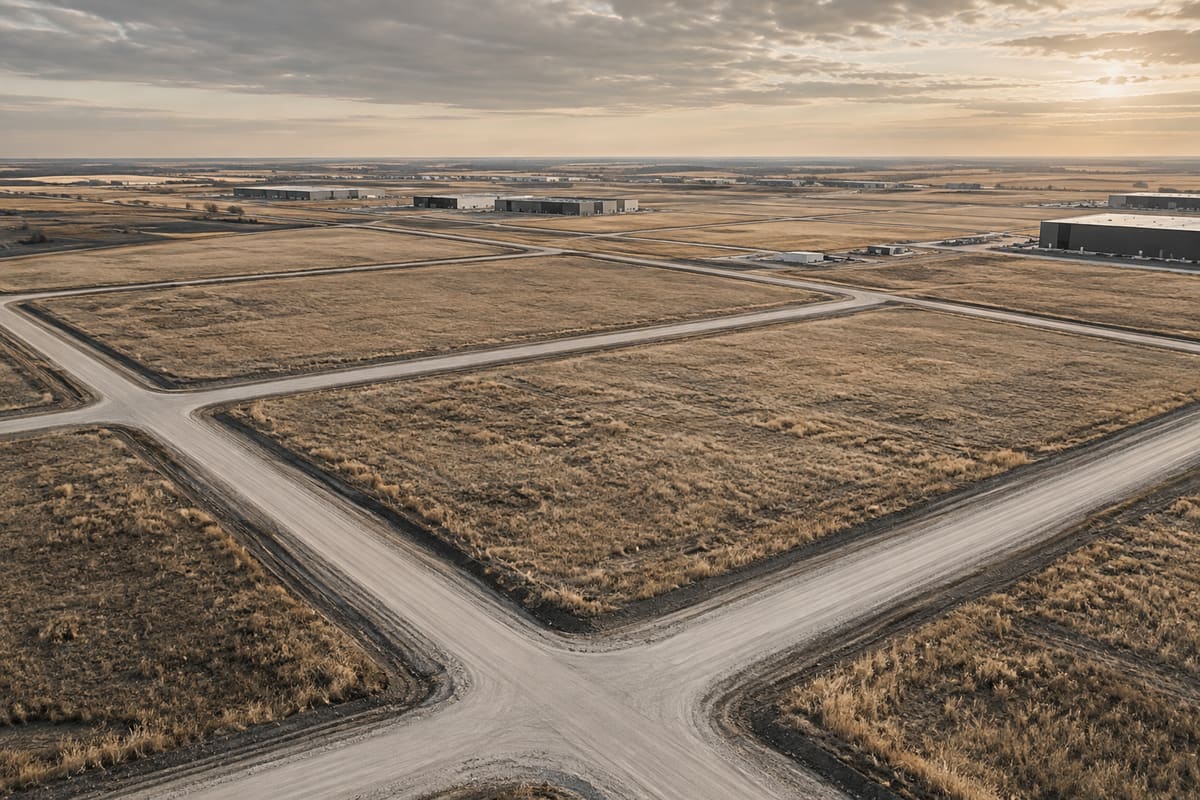
A line on an aerial image does not explain the rights held over land. A pipeline, power line or utility corridor may involve a negotiated agreement, surface lease, right-of-entry order, easement, caveat, plan, licence, temporary workspace, compensation record and continuing operating or reclamation obligations. The governing regime can differ by project. Owners need the actual documents before they market land, negotiate access or estimate value.
This is general information, not legal, tax, environmental, engineering, accounting or investment advice. Obtain advice specific to the property and transaction.
1. Identify the facility and governing regime
Record the operator, facility type, regulator, provincial or federal jurisdiction, licence or approval, agreement, order, plan, construction status and reclamation state. Distinguish oil and gas, provincially or federally regulated pipelines, transmission lines, local utilities and renewable-energy leases.
Alberta's Farmers' Advocate Office expressly notes that the Surface Rights Act does not extend to negotiation of renewable-energy leases. Do not apply one right-of-entry, compensation-review or recovery process to every energy or utility project.
- Operator
- Facility
- Jurisdiction
- Agreement or order
- Registered plan
- Operating and reclamation status
2. Build the parcel and registered-interest record
Order every current title, easement or right-of-way plan, caveat, utility right, surface lease and relevant registered document. Reconcile the legal area to the physical location, temporary workspace, access route and facilities.
Alberta Land Registry says right-of-way or easement plans show the area affected by a registered right. The plan shows geometry; it does not replace the agreement, order, licence, compensation record or field verification.
3. Separate consent from a right-of-entry order
Identify whether access arises through the owner or occupant's consent, a negotiated agreement, or an LPRT right-of-entry order. Record the parties, land, rights, conditions, payments, amendments and current status.
Alberta states that an operator has no Surface Rights Act right to enter until the owner or occupant consents or the Tribunal grants a right-of-entry order. A survey, regulator application, licence or project announcement is not automatically surface-access authority.
4. Read the granted rights and retained uses
Have counsel identify construction, operation, access, inspection, vegetation, drainage, depth, crossings, fencing, buildings, roads, utilities, assignment, abandonment and reclamation terms. Map how the rights interact with farming, subdivision and proposed development.
The area granted, area physically used and area affected can differ. Continued cultivation or surface use does not prove the owner may build, excavate, grade or cross the corridor as proposed.
5. Keep compensation categories and evidence separate
For a right-of-entry matter, use the current statutory factors and LPRT process with qualified legal, appraisal, agricultural and land-agent advice. Maintain source evidence for land value, loss of use, adverse effect, nuisance, damage and other claimed items as applicable.
An adjacent agreement, per-acre number, listing price or operator offer does not determine the compensation for another parcel. Commercially does not negotiate surface-rights compensation or provide a compensation opinion.
6. Control periodic reviews, damages and deadlines
Index the effective date, payment schedule, anniversary notices, review requests, correspondence, evidence exchange and orders. Preserve dated photographs, crop, repair, livestock, drainage and expense evidence for any claimed damage.
The LPRT currently describes five-year compensation-rate reviews for qualifying surface leases or right-of-entry orders and separate time limits for certain damage applications. Owners should rely on the operative document, current law and professional advice rather than a website summary.
7. Reconcile unpaid compensation and operator status
Maintain agreements or orders, payment history, invoices, notices, operator identity, assignment and reclamation status. If amounts are unpaid, review the current LPRT recovery process and evidence requirements with counsel or the Farmers' Advocate Office.
An operator's insolvency, licence transfer or inactive facility does not automatically terminate the registered interest, restore the land or establish entitlement to a government payment. The statutory process and evidence control.
8. Test development and financing constraints
Provide planners, engineers, surveyors and lenders with the actual corridor width, rights, setbacks, crossing requirements, relocation terms, capacity, access and operator correspondence. Model layouts with and without disputed assumptions.
A pipeline or utility corridor does not automatically make land undevelopable, and proposed relocation does not create a commitment, cost or schedule. Future development potential remains subject to title, agreement, operator, regulator and municipal evidence.
9. Prepare a transaction-ready corridor schedule
For a sale, list every agreement, order, plan, payment, notice, amendment, dispute, damage, inspection, maintenance, assignment and reclamation record by parcel. Reconcile who receives payment after closing and which notices or assignments are required.
A surface payment is not automatically property NOI, transferable income or a perpetual covenant. Buyers, sellers, counsel and accountants must determine contractual, title and tax treatment.
10. Market the land with source-controlled language
Describe the facility, registered area, document status, payments and development implications only to the extent supported and approved for disclosure. Use staged access for agreements containing confidential or personal information.
Commercially can organize the land, title and transaction record and market an authorized property. It does not determine surface rights, advise on compensation, act as a land agent, certify reclamation, approve crossings or development, or guarantee income, value or regulatory outcomes.
Primary sources
Verify the current rules.
Government and regulator pages can change. These links were reviewed on August 27, 2026.
Alberta: Land Titles procedures manual↗Alberta Land Registry: Survey plans overview↗Alberta Land Registry: Search registered documents↗Alberta Land and Property Rights Tribunal: Surface rights↗Alberta Land and Property Rights Tribunal: Right of entry overview↗Alberta Land and Property Rights Tribunal: Right of entry compensation↗Alberta Land and Property Rights Tribunal: Compensation review↗Alberta Land and Property Rights Tribunal: Recovery of compensation↗Alberta Farmers' Advocate Office: Development, operations and closure↗Alberta Farmers' Advocate Office: Surface rights and renewable energy↗A real property decision?
Share the parcels, facility, agreement or order, payment status, intended use and transaction timing. No public listing or compensation advice is created by the inquiry.Who, how and why
Who: Commercially Research & Editorial.
How: Primary-source research and AI-assisted drafting were used to organize this guide around a practical commercial real estate decision. Source links, factual claims and material limitations were checked against Commercially's editorial standards on the review date.
Why: To help owners, buyers and tenants identify the records, questions and professional advice that belong in a real transaction work plan.
Editorial owner: Commercially Research & Editorial.
Commercial review: Slav Loban, Commercial Real Estate Division Leader.
Questions or corrections: hello@commercially.ca
Editorial review and correction standard →