Municipal assessment
A mass-appraisal record prepared for municipal taxation under Alberta's assessment framework and the municipality's effective dates.
Edmonton Commercial Property Owners
Assessment, appraisal, brokerage market evidence and transaction price answer different questions. Start with the property, decision and effective date.
Local valuation framework
Edmonton groups non-residential assessment records by commercial, industrial, land, multi-residential and special-purpose property. The City publishes property-type methodology references and explains that special-purpose assets may require a cost approach where trading or income evidence is insufficient. Municipal classification and mass-appraisal inputs are valuable records, but their tax purpose is not a current brokerage mandate.
An Edmonton market review should define the exact property interest, decision date and likely buyer or tenant before selecting evidence. Industrial utility, land entitlement, office leasing exposure and investment income cannot be collapsed into one citywide value-per-square-foot statistic. Live DDF inventory shows current marketed alternatives, while completed transactions and subject evidence require separate verification.
2026 official tax-rate record
Schedule A states the 2026 non-residential municipal, education and ASFF requisition-allowance rates used in this sum.
$29,266.30 per $1,000,000 assessed value before the stated exclusions.
+3.52% from 2025 and +10.59% from 2024 at an unchanged assessed value. Neither figure is the actual bill change for a particular property.
The sum excludes the additional designated industrial property requisition, community revitalization levies, legacy annexed-property rates, local improvements and account-specific charges.Compare the official 2024–2026 series →The 2026 annual deadline has passed. Confirm the separate deadline on any later notice and preserve lease, occupancy, income, expense and property-condition evidence for the next roll.
2026 City methodology
Compare the City's current assessment approach and owner evidence record for warehouses, commercial land, retail, offices, low-rise multifamily, hotels and motels. The comparison preserves the boundary between municipal mass appraisal and current brokerage market strategy.
Open the six-group methodology record →Four different records
Commercially provides brokerage market strategy through appropriately licensed professionals. It does not provide appraisal, assessment-agent, tax or legal opinions.
A mass-appraisal record prepared for municipal taxation under Alberta's assessment framework and the municipality's effective dates.
A current, property-specific analysis supporting a contemplated sale, lease or acquisition strategy. It is not a formal appraisal.
A value opinion completed by a qualified appraiser for a defined client, intended use, interest, effective date, scope and reliance.
An asking price is market positioning. A completed price is the result of a specific negotiation, terms, diligence, financing and closing.
Subject-property evidence
Title, registered interests, current zone, overlays, permits, occupancy, plans, access, servicing and any property-specific municipal search or clearance.
Executed lease documents, rent steps, recoveries, options, deposits, arrears, vacancy, leasing costs, capital obligations and tenant-specific concentration or rollover.
Areas, construction, building systems, loading, power, site improvements, condition, environmental work, repairs and costed capital priorities.
Comparable interests and dates, current sale and lease competition, buyer financing constraints, exposure plan, information quality and conditionality likely to affect execution.
Reconciliation sequence
No online calculator, assessed value or citywide price average can replace the property-specific evidence and intended professional scope.
Record the intended brokerage decision, effective date, ownership interest, included improvements and whether any operating business, equipment or leasehold component is outside the real property.
Review the City's property group and available methodology, then reconcile physical, tenancy and income facts without assuming the assessed value equals a current sale conclusion.
Explain why each transaction or listing is relevant and adjust for location, use, rights, size, condition, tenancy, date and approval status rather than averaging unlike properties.
A brokerage range should identify the likely audience, exposure method, diligence gaps, financing conditions and review triggers that could change positioning.
Property-type context
Northwest, southeast and regional alternatives can compete differently based on access, loading, yard, power, site coverage, condition and municipal jurisdiction.
Current zoning is only one input. Statutory plans, overlays, servicing, access, environmental and geotechnical work, demolition and approval timing shape a developer's residual case.
Durable net income depends on lease enforceability, rollover, collections, recoveries, vacancies, operating costs and capital—not the advertised cap rate alone.
For a transparent distribution of disclosed current asking prices, review the Edmonton commercial asking-price record. It is separate from this property-specific valuation framework.
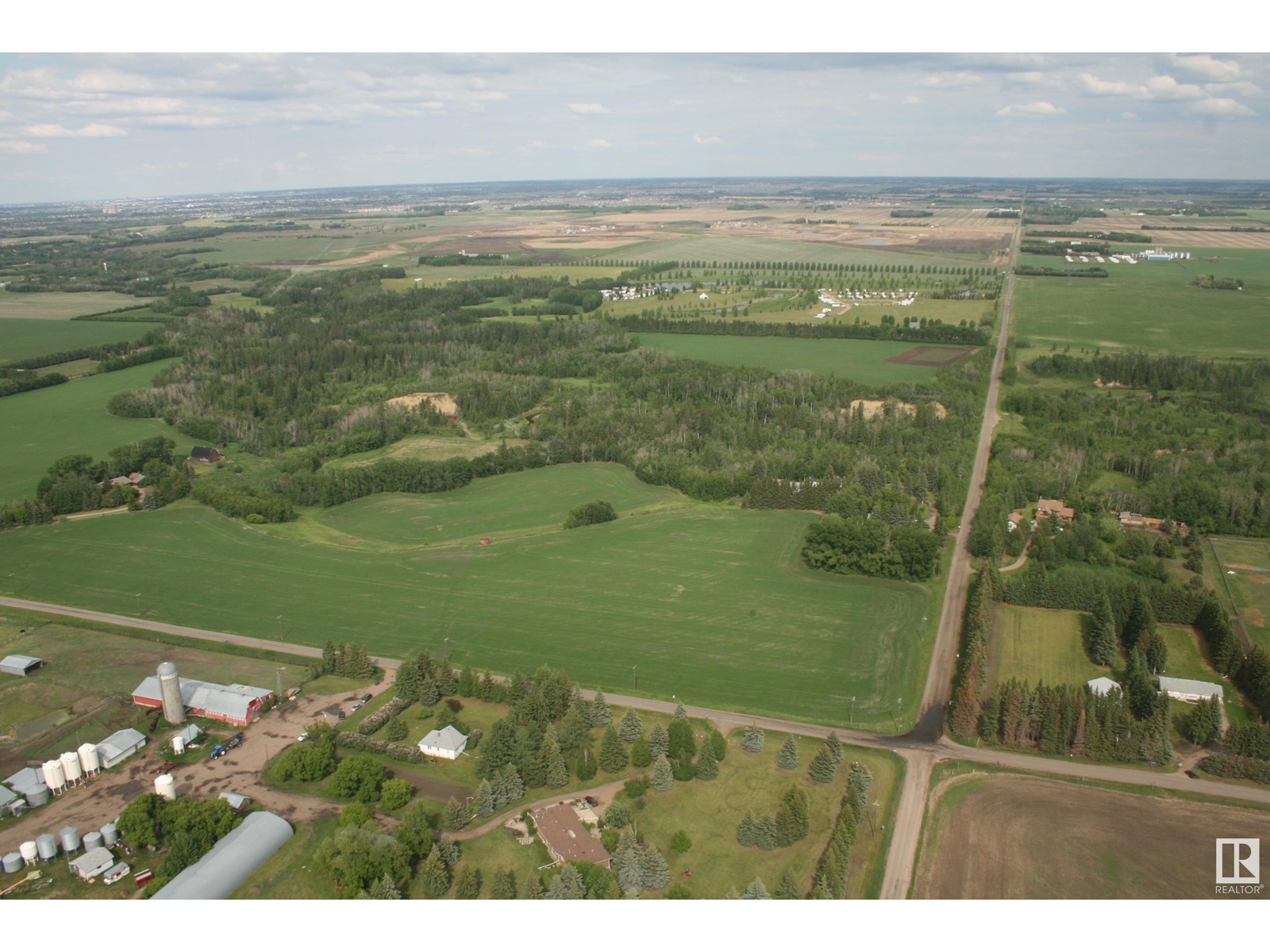 For Sale
16820 41 AV SW SW

Listing brokerage: RE/MAX Excellence · Listing representative: Christian Jones · Board/association: Edmonton · Updated: May 6, 2026
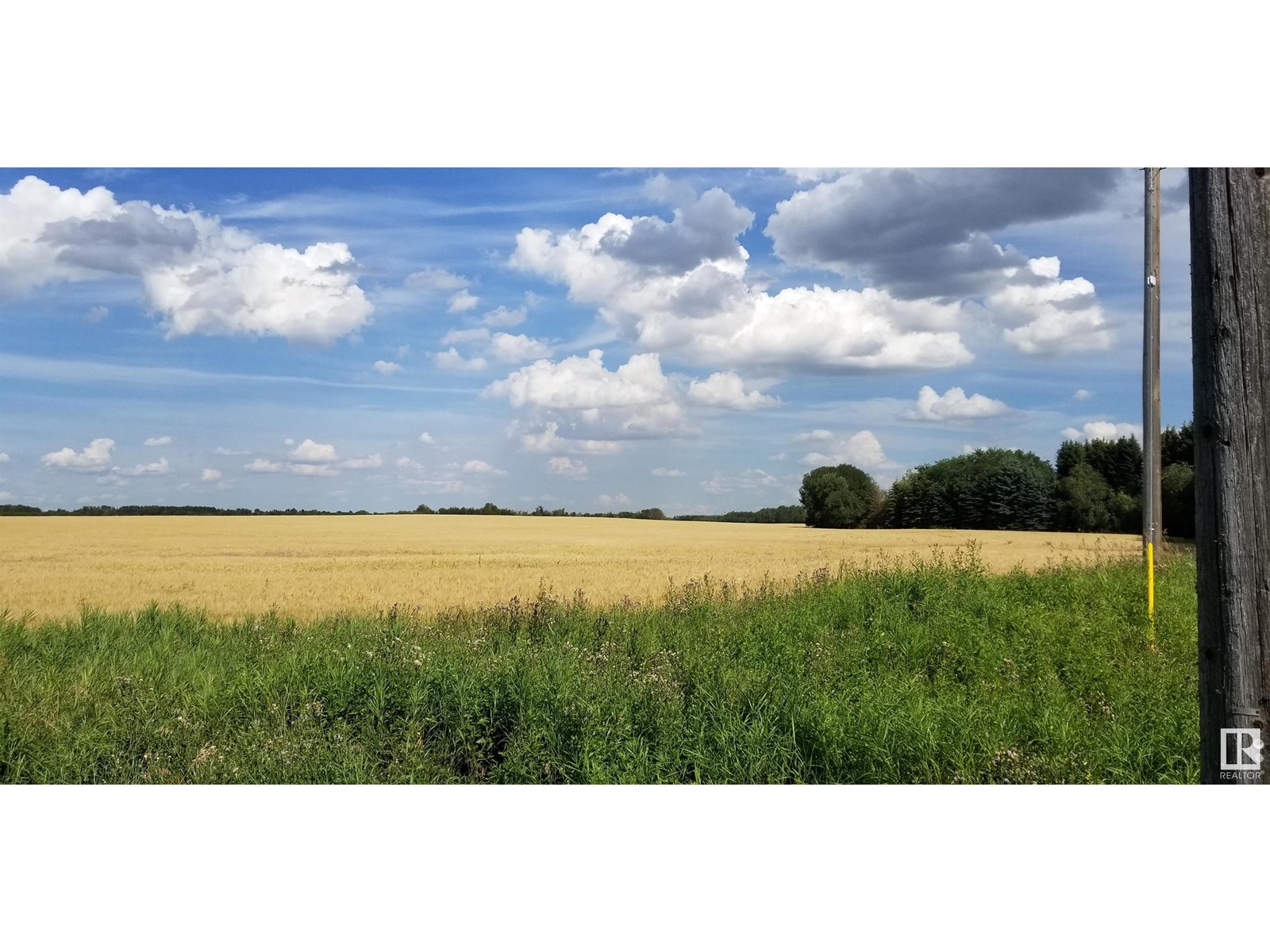 For Sale
20375 18 ST NW
Listing brokerage: RE/MAX Excellence · Listing representative: Christian Jones · Board/association: Edmonton · Updated: May 6, 2026
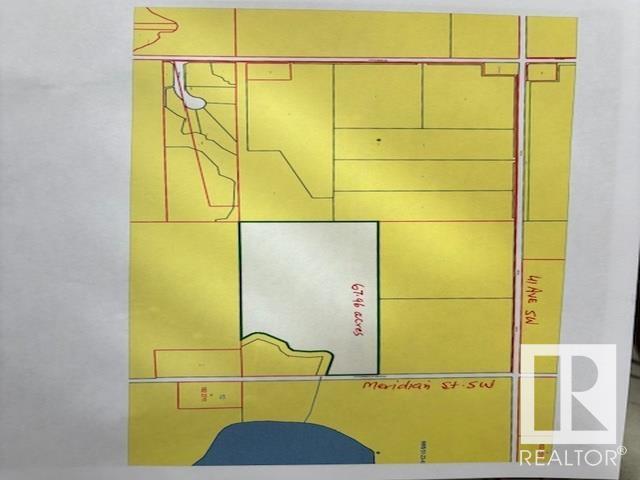 For Sale
4510 MERIDIAN ST SW
Listing brokerage: Century 21 All Stars Realty Ltd · Listing representative: Sweg Deol · Board/association: Edmonton · Updated: Jul 30, 2026
Primary sources
Editorial owner: Commercially Research & Editorial
Commercial review: Slav Loban, Commercial Real Estate Division Leader
Corrections: hello@commercially.ca
Editorial review and correction standard →Confidential Edmonton market review
Share the address, property type, occupancy, income profile, timing and intended decision. Commercially can discuss a brokerage sale or leasing strategy. Formal appraisal, assessment, tax and legal work remain with the appropriately qualified professional.