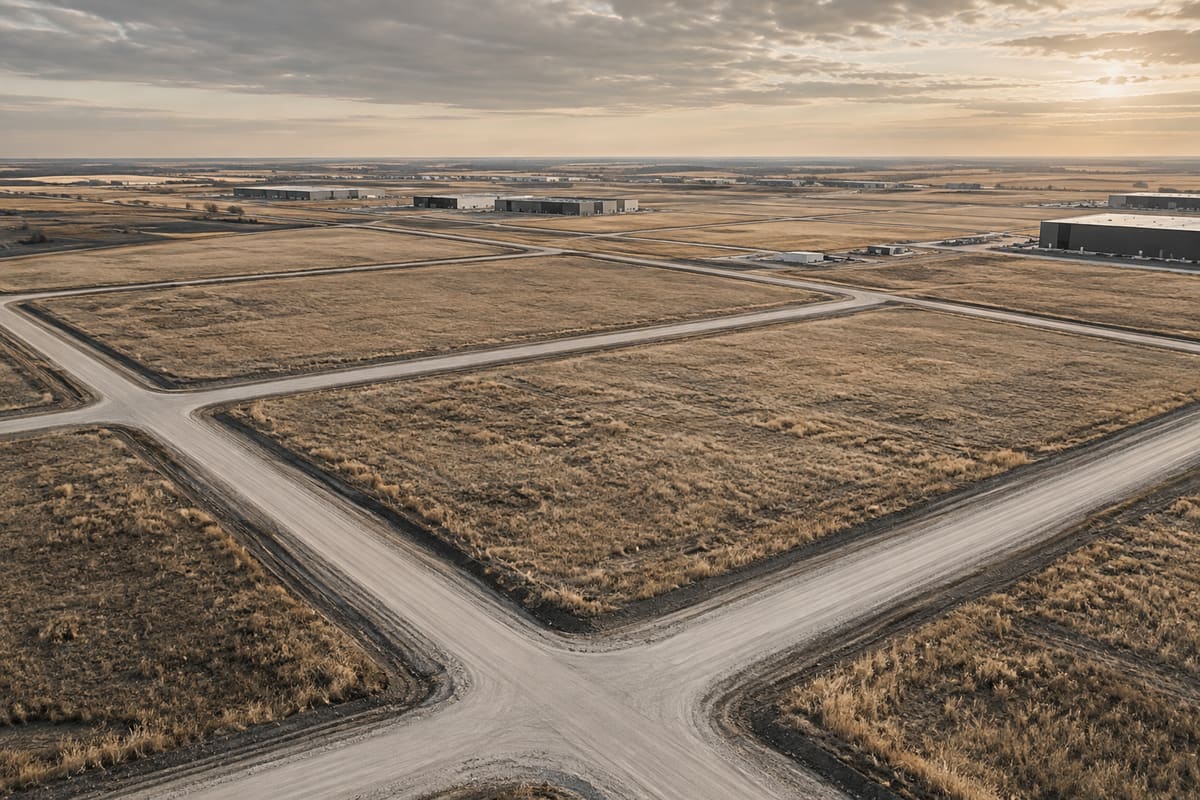
A family land transition can involve a farm business, real estate, residences, equipment, debt, future development potential and several generations with different objectives. Tax-deferral language should not drive the property decision before ownership, historic use, successor eligibility, operating continuity, value, financing and municipal status are documented. A family relationship does not establish a rollover, qualified-farm-property status or development approval.
This is general information, not legal, tax, environmental, engineering, accounting or investment advice. Obtain advice specific to the property and transaction.
1. Define the transition objective before the transaction
Separate retirement income, continued residence, farming continuity, equalization among family members, debt reduction, development participation, liquidity and legacy goals. Record which objectives are required, preferred or incompatible.
A transfer at a low stated price, gift, share reorganization, property sale and estate distribution can produce different legal, tax, financing and family results. Commercially does not recommend a succession or tax structure.
- Current owners
- Farm operator
- Potential successors
- Retirement cash
- Continued use or residence
- Development or sale objective
2. Map every parcel, entity, asset and liability
Order current titles and schedule legal parcels, ownership form, mortgages, caveats, surface interests, leases, residences, improvements, equipment, inventory, quotas, water records and operating entities. Identify which assets are proposed for transfer and which remain.
Land, shares of a family-farm corporation, a partnership interest, equipment and a farming business are not interchangeable property. CRA eligibility and transaction documents depend on what is actually transferred.
3. Build the historic-use evidence
Create a year-by-year record of ownership, farm use, operators, revenue, leases, crop or livestock activity, family participation and entity relationships. Preserve tax returns, financial statements, rental agreements, crop records and other advisor-requested evidence.
CRA's farm-property rules include ownership, use and active-engagement tests that vary with the property and period. Agricultural zoning, rural location, acreage or a past family connection does not by itself make land qualified farm or fishing property.
4. Test intergenerational rollover eligibility with a tax advisor
CRA describes possible tax deferral when qualifying Canadian farm or fishing property is transferred to a child and stated residency, property-use and active-engagement conditions are met. The rules can also differ for property transferred on death and for shares or partnership interests.
The word child has a specific tax-law scope and the required use, timing and relationship tests must be confirmed for the actual parties and property. Commercially does not certify rollover eligibility, select transfer values or prepare elections.
5. Test qualified-farm-property status separately
Ask the tax advisor to determine whether each parcel, building, share or partnership interest meets the current qualified farm or fishing property rules and whether a capital gains deduction could be available to a specific owner. Document mixed uses, rental periods, inactive periods and changes in ownership.
Possible QFFP status is not a valuation conclusion or a promise that tax will be eliminated. Ownership history, use, family participation, gains, prior claims and current legislation all matter.
6. Separate current farm value from development scenarios
Document current land use, leases, productivity, soils, water, access and improvements, then separately record planning policy, zoning, concept work, servicing evidence, constraints, approvals, timing and costs supporting any development scenario.
Future development potential does not change historic farm use for tax purposes, create municipal permission or establish market value. A concept, growth boundary or nearby utility is not an approval, service commitment or residual-land-value conclusion.
7. Compare family transfer, open-market sale and hybrid routes
Model a direct family transfer, gradual purchase, lease, internal financing, sale of selected parcels, whole-property marketing, option, joint venture or continued ownership. Compare cash timing, debt, security, control, operating continuity, tax, development risk and family equalization.
A tax-deferred route is not automatically the best commercial outcome, and a higher projected development value may require years of capital and risk. Use consistent scenarios and professional assumptions rather than a single headline value.
8. Underwrite successor financing and vendor exposure
Test the successor's equity, operating cash flow, lender terms, guarantees, payment capacity, capital needs and downside case. If the family is considering deferred consideration or vendor financing, define security, priority, repayment, default and estate implications with licensed and legal advisors.
Family trust does not replace credit analysis or registered security. Commercially does not arrange or negotiate mortgage financing and does not recommend a family loan.
9. Preserve ownership eligibility, residency and rural-land review
Have counsel review the proposed owners, beneficial interests, entities and land location under Alberta's Foreign Ownership of Land Regulation when controlled land may be involved. Coordinate residency and buyer-entity facts with the tax analysis.
A related party, Canadian mailing address, nominee or future commercial use does not by itself resolve provincial ownership eligibility or federal tax residency. Current legal advice and declarations control.
10. Create a staged decision and communication plan
Set dates for title and tax evidence, independent value work where appropriate, family decisions, financing, operating handover, municipal diligence, marketing authority and closing. Define who communicates with tenants, farm operators, neighbours, developers and buyers.
Commercially can provide source-controlled property research, brokerage market evidence, confidential buyer outreach and an authorized listing process. It does not mediate family disputes, certify tax treatment, determine fairness among beneficiaries or successors, approve development, or guarantee price or timing.
Primary sources
Verify the current rules.
Government and regulator pages can change. These links were reviewed on August 27, 2026.
Alberta: Change land title ownership↗Alberta Land Registry: Transfer of land↗Alberta: Land Titles procedures manual↗CRA: Transfer of farm or fishing property to a child↗CRA: Capital gains and losses—farmers and fishers↗Alberta: Foreign ownership of land↗Alberta Agriculture: Transition Planning Guide for Agribusiness↗A real property decision?
Share the parcels, current ownership, use, family objective and timing. The first review organizes brokerage and property evidence; it is not legal, tax or succession advice.Who, how and why
Who: Commercially Research & Editorial.
How: Primary-source research and AI-assisted drafting were used to organize this guide around a practical commercial real estate decision. Source links, factual claims and material limitations were checked against Commercially's editorial standards on the review date.
Why: To help owners, buyers and tenants identify the records, questions and professional advice that belong in a real transaction work plan.
Editorial owner: Commercially Research & Editorial.
Commercial review: Slav Loban, Commercial Real Estate Division Leader.
Questions or corrections: hello@commercially.ca
Editorial review and correction standard →