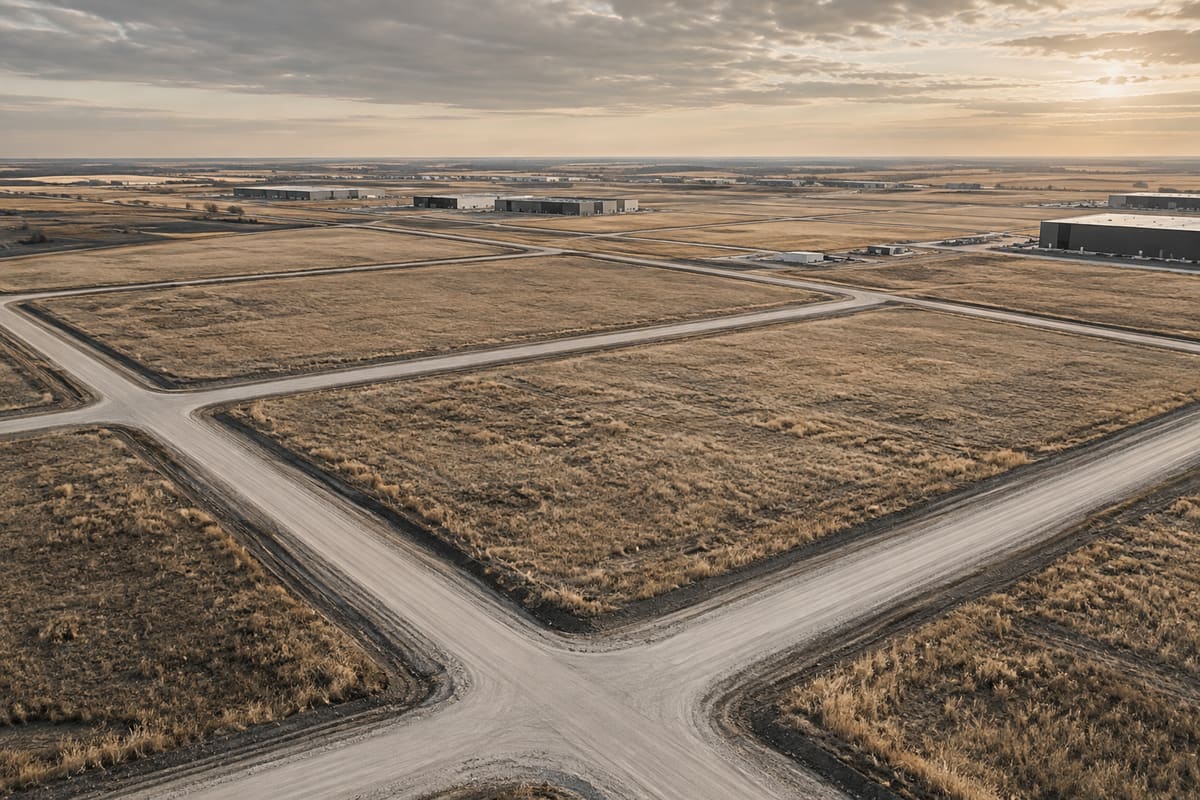
An agricultural property sale is not adequately described by gross acres and a list of buildings. Buyers need to understand the titled parcels, productive land base, access, water, improvements, current occupancy, energy activity, environmental record, permitted operation and rights that actually form the offering. A credible sale process separates verified facts from estimates and future potential.
This is general information, not legal, tax, environmental, engineering, accounting or investment advice. Obtain advice specific to the property and transaction.
1. Define the seller, parcels and sale perimeter
Confirm every registered owner, legal description, title, plan, encumbrance, signing authority and required family, corporate, estate, lender or court approval. State whether the offering is one parcel, an assembled package or a conditional combination.
Schedule included and excluded land, residences, shops, barns, grain storage, corrals, irrigation equipment, machinery, inventory, quotas, contracts and other assets. Equipment and operating assets do not become part of the real-estate sale merely because they are located on the property.
- Registered owner and authority
- Legal parcels and gross titled acres
- Included improvements
- Equipment and inventory
- Possession and crop timing
- Excluded rights and assets
2. Reconcile every acreage measure
Separate gross titled acres from cultivated, seeded, irrigated, pasture, hay, wooded, wetland, yard, road, pipeline, easement and otherwise constrained acres. Identify the source and date for each measure; do not present a mapping estimate as a survey or guaranteed productive acreage.
The Alberta Soil Information Viewer provides AGRASID screening information at approximately 1:100,000 scale and says it should not be the sole source for detailed planning. Soil, salinity, drainage, topography, erosion and land capability require site-specific agronomic and physical review.
3. Establish legal and physical access
Confirm registered road access, approaches, private roads, undeveloped road allowances, access easements, seasonal limitations, gates and shared maintenance. Legal access and practical all-season physical access are different questions.
Document internal field access, bridge and culvert condition, equipment turning, weight or width constraints, rail crossings and any third-party consent needed. Municipal and transportation authorities should confirm current requirements for new or changed access.
4. Build a water and irrigation record
List wells, dugouts, springs, pipelines, cisterns, irrigation works and other sources with location, construction, capacity, test, maintenance and use records. The Alberta Water Well Information Database is a screening source; missing, duplicated or historical records and current water quality or yield still require property-specific verification.
Distinguish household rights, traditional agricultural registrations, Water Act licences, allocation transfers and irrigation-district arrangements. Alberta states that the Water Act Director must be notified in writing when land with an appurtenant registration is sold or purchased. Do not advertise water volume, transferability or irrigated acres without current documentary support.
5. Verify improvements, utilities and permitted operation
Prepare a dated improvement schedule covering residences, shops, barns, bins, corrals, handling systems, fencing, drainage, septic, power, gas, communications and other infrastructure. Reconcile permits, approvals, occupancy, age, capacity, condition, ownership and any leased or financed equipment.
Current agricultural use does not prove every building, subdivision, commercial activity or livestock operation is permitted. Review municipal land-use records and, where applicable, Natural Resources Conservation Board approvals, registrations or authorizations under the Agricultural Operation Practices Act.
6. Surface energy, environmental and occupancy interests
Search title and current AER information for active, suspended and abandoned wells, pipelines, facilities and related access. Government maps are screening inputs, not proof of title, exact location, reclamation status, payment entitlement or environmental clearance. Surface title and mineral title are distinct, and minerals should never be implied as included unless title evidence supports it.
Index surface leases, right-of-entry orders, annual payments, assignments, unpaid amounts, reclamation records, crop or pasture leases, grazing arrangements, residential occupancy and other possession rights. State who receives revenue, who owes obligations and how possession and the current crop will be handled at closing.
7. Qualify buyers and compare complete offers
Alberta's Foreign Ownership of Land Regulation applies to controlled land, generally rural land outside listed urban exceptions, and imposes acquisition limits and disclosure requirements on foreign citizens and foreign-controlled corporations subject to detailed exemptions. Buyer counsel should determine status and eligibility before conditions are waived.
Compare price allocation, deposit, financing, title and acreage review, water, environmental and building diligence, foreign-ownership review, crop and possession terms, included assets, conditions, closing and post-closing exposure. FINTRAC obligations apply to the licensed real-estate transaction.
8. Coordinate tax, privacy and closing
Agricultural real-property tax treatment is fact-specific and may differ with the seller, use, family or related-party circumstances, included operating assets and transaction structure. Legal and tax advisors should determine GST, income-tax, rollover, allocation and filing consequences; do not apply a generic commercial-property conclusion to farm land.
Use staged disclosure for tenant, employee, financial and personal information. Build one closing matrix for title, adjustments, taxes, surface payments, leases, crop, livestock, equipment, water records, utilities, keys, permits and possession. This guide is educational and is not legal, tax, accounting, appraisal, agronomy, environmental, engineering or regulatory advice.
Primary sources
Verify the current rules.
Government and regulator pages can change. These links were reviewed on August 26, 2026.
Alberta: Find land titles documents and plans↗Alberta: Alberta Soil Information Viewer↗Alberta: Agricultural real estate transfers↗Alberta: Water allocations and transfers↗Alberta: Water wells web application↗Alberta: Foreign ownership of land↗Alberta: Environmental Records Viewer↗RECA: Real Estate Act↗RECA: Real Estate Act Rules↗FINTRAC: Real estate sector requirements↗NRCB: About the Agricultural Operation Practices Act regulation↗AER: Abandoned Well Spatial Data↗Alberta: Disclosing personal information↗A real property decision?
Share the municipality, parcels, acreage, current use, improvements, water, occupancy, timing and confidentiality requirements.Who, how and why
Who: Commercially Research & Editorial.
How: Primary-source research and AI-assisted drafting were used to organize this guide around a practical commercial real estate decision. Source links, factual claims and material limitations were checked against Commercially's editorial standards on the review date.
Why: To help owners, buyers and tenants identify the records, questions and professional advice that belong in a real transaction work plan.
Editorial owner: Commercially Research & Editorial.
Commercial review: Slav Loban, Commercial Real Estate Division Leader.
Questions or corrections: hello@commercially.ca
Editorial review and correction standard →