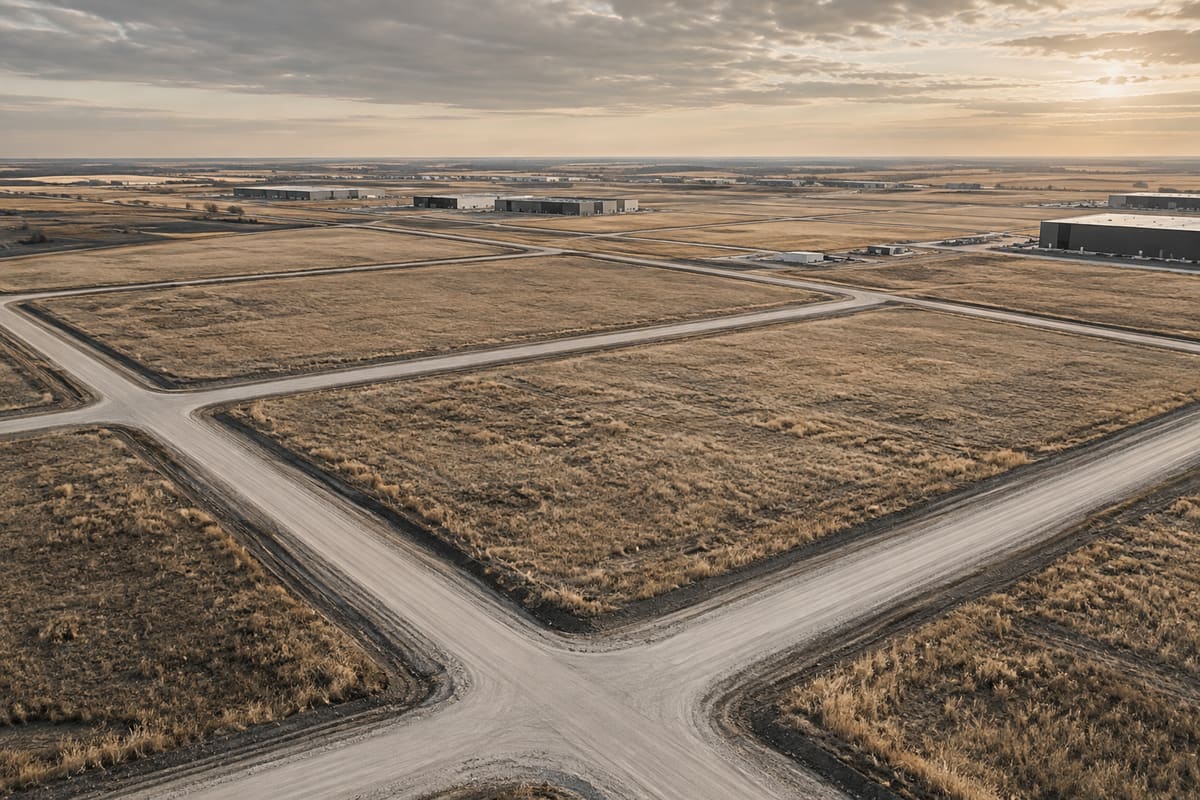
Selling can convert land into transaction proceeds and transfer future development exposure. Holding preserves optionality but requires carrying cost and risk. Developing may create additional value, but only through capital, expertise, approvals, infrastructure, time and market execution. The paths should be compared from the same current property record rather than from a future-use headline or gross sale estimate.
This is general information, not legal, tax, environmental, engineering, accounting or investment advice. Obtain advice specific to the property and transaction.
1. Define the owner decision
Record ownership, authority, partners, estate or corporate constraints, debt, cash needs, time horizon, tax posture, management capability, capital capacity and risk tolerance. Identify whether the owner needs liquidity, income, future land use or legacy control.
A theoretically higher future value is not actionable if the owner cannot fund, govern or wait for the required path.
- Liquidity
- Timing
- Debt
- Capital
- Development capability
- Risk and control
2. Freeze the current parcel evidence
Reconcile titles, areas, access, current policy and zoning, approvals, services, environment, leases, improvements and carrying costs. Mark verified facts, professional conclusions, owner statements and unresolved items separately.
Do not compare strategies using different assumed parcels, net areas or approval states. The current legal and physical property is the common starting point.
3. Build a supportable sale case
Use verified completed transactions, current competition, parcel utility, approval status, likely buyer groups and execution requirements to establish positioning scenarios. Deduct debt payout, legal, brokerage, studies, repairs, adjustments, taxes and owner obligations from gross price.
An asking range is not guaranteed proceeds, and a signed conditional agreement is not a closed sale. Compare deposit, conditions, extensions, buyer capital and closing capability.
4. Build a complete hold case
Model taxes, financing, insurance, security, maintenance, professional work, leases or interim income, environmental obligations and owner administration. Identify events that can reduce optionality, such as policy change, infrastructure timing, access, contamination or expiring approvals.
Holding is not cost-free passive appreciation. Use slower, base and favourable timing cases and record the capital and governance needed in each.
5. Build an executable development case
Define the actual use, density, phasing, approvals, roads, services, stormwater, studies, design, construction, financing, leasing or sales, absorption and exit. Assign responsibility, evidence and timing to each assumption.
Potential, zoning and feasibility are not permission, funding or profit. Use qualified planning, engineering, environmental, appraisal, legal, tax and financing advice before committing owner capital.
6. Compare time-adjusted cash and retained risk
Place sale proceeds, holding cash flows and development draws and receipts on a common timeline. Test financing, cost escalation, delay, lower pricing, slower absorption and unresolved conditions.
A higher nominal future amount can produce a weaker result after time, capital and risk. Commercially does not select a discount rate or promise an investment return.
7. Consider entitlement or servicing before sale carefully
Owners may test whether targeted planning, subdivision, study or servicing work can reduce uncertainty and broaden the buyer pool. Define the decision sought, cost, schedule, owner authority and exit if it fails.
Application activity can consume time and money without producing approval or transferable value. Do not market pending work as completed permission.
8. Treat partnerships and options as separate structures
A joint venture, phased sale, option, conditional purchase, vendor financing or participation right can shift control, capital, timing, tax and security. Define property rights, decision authority, funding, defaults, reporting and exit with counsel.
Commercially brokers authorized real-property transactions; it does not form partnerships, sell securities, guarantee a developer or provide legal, tax or investment advice.
9. Keep tax and financing with qualified advisors
CRA states that commercial real-property sales are generally taxable unless a specific exemption applies. Income tax, GST, corporate structure, debt, development inventory and change-in-use consequences depend on the actual facts.
Use tax and accounting advice for after-tax scenarios and lender advice for consent, guarantees, draws and covenants. Do not use a generic capital-gain or GST assumption.
10. Set written decision gates
Define the evidence and thresholds for marketing, holding, funding applications, entering a development arrangement, accepting an offer or changing course. Refresh the model when approvals, services, costs, financing or owner circumstances change.
Commercially can coordinate an Alberta land sale and owner strategy process. It does not provide appraisal, planning, engineering, environmental, legal, tax, accounting, financing or investment conclusions.
Primary sources
Verify the current rules.
Government and regulator pages can change. These links were reviewed on August 27, 2026.
Appraisal Institute of Canada: CUSPAP 2026↗Appraisal Institute of Canada: Highest and best use↗Appraisal Institute of Canada: Zoning and land-use controls↗Alberta: Municipal property assessment↗Calgary: Land and specialized property assessments↗Edmonton: 2026 assessment reference materials↗RECA: Real Estate Act Rules↗Alberta: Find land titles, documents or plans↗Alberta: Subdivision and development appeals↗Alberta: Roadside development permits↗Alberta: Environmental Site Assessment Repository↗CRA: Commercial real property—sales and rentals↗A real property decision?
Share the parcels, ownership, approvals, debt, timing and owner priorities for a confidential brokerage strategy review.Who, how and why
Who: Commercially Research & Editorial.
How: Primary-source research and AI-assisted drafting were used to organize this guide around a practical commercial real estate decision. Source links, factual claims and material limitations were checked against Commercially's editorial standards on the review date.
Why: To help owners, buyers and tenants identify the records, questions and professional advice that belong in a real transaction work plan.
Editorial owner: Commercially Research & Editorial.
Commercial review: Slav Loban, Commercial Real Estate Division Leader.
Questions or corrections: hello@commercially.ca
Editorial review and correction standard →