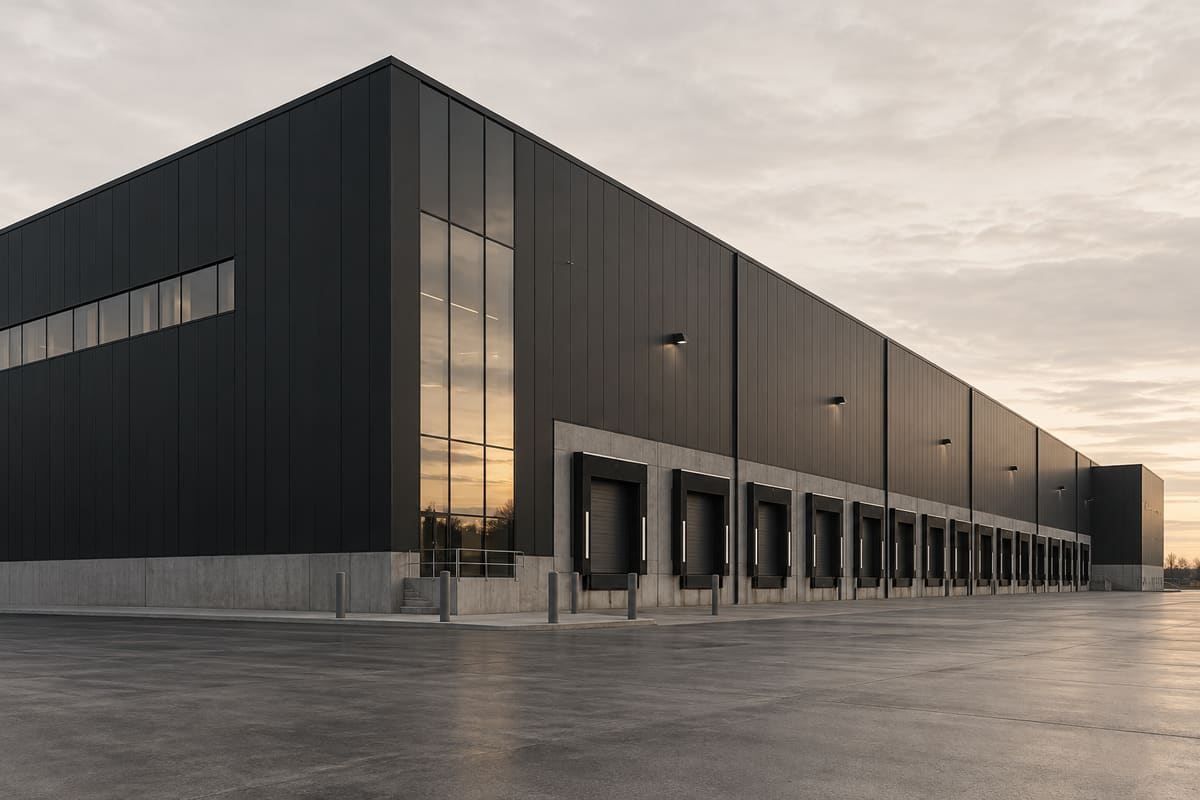
Environmental due diligence is not a pass-or-fail database search. It is a property-specific investigation that connects historical operations, neighbouring land, regulatory records, site observations and professional conclusions to the proposed purchase, lease, financing or redevelopment. Industrial users should define that work early enough for the findings to affect the transaction.
This is general information, not legal, tax, environmental, engineering, accounting or investment advice. Obtain advice specific to the property and transaction.
1. Start with the decision the assessment must support
A buyer, tenant, lender and owner may need different answers from the same site. Record the proposed operation, transaction structure, financing requirements, planned alterations, areas of the property being acquired or leased and the deadline for conditions before an environmental professional defines scope.
A prior report can be useful evidence, but it may have been prepared for another client, another use, a smaller area or an earlier regulatory framework. Confirm whether the professional may rely on it, whether reliance can be extended and what has changed since its effective date.
- Property and legal boundaries
- Current and proposed operations
- Purchase, lease or financing purpose
- Reliance parties
- Condition and closing dates
2. Build the site-history record
Industrial environmental review commonly begins with historical land use, aerial imagery, directories, land titles, permits, regulatory records, interviews and a site visit. The Alberta Environmental Site Assessment Standard describes records review, site visits, interviews and reporting as core Phase I work.
Look beyond the current occupant. Fuel handling, vehicle service, dry cleaning, manufacturing, waste, fill, rail activity, agricultural chemicals and neighbouring operations may create areas of potential environmental concern even when no present spill is visible.
- Historical and current uses
- Neighbouring properties
- Tanks, sumps, drains and interceptors
- Chemical and waste handling
- Fill, rail and utility history
3. Use provincial records as evidence, not clearance
Alberta discontinued the former Environmental Site Assessment Repository. The province now directs users to the Environmental Records Viewer for specified Environment and Protected Areas records and to Alberta Energy Regulator systems for applicable upstream oil-and-gas information.
A record appearing in a public system requires interpretation; an empty search does not prove that a site is uncontaminated. Confirm the address, legal description, search radius, regulator and date coverage with the environmental professional responsible for the assessment.
4. Understand what a Phase I ESA does
A Phase I environmental site assessment is primarily a non-intrusive investigation intended to identify actual or potential contamination through records, observations and interviews. It does not ordinarily establish soil or groundwater concentrations because it does not replace sampling and laboratory analysis.
The useful output is not merely the report title. Review the identified areas and contaminants of potential concern, data gaps, limitations, recommendations and whether the scope covers the entire property and intended transaction.
5. Know when Phase II work enters the plan
Where potential contamination requires confirmation or characterization, a qualified professional may recommend intrusive Phase II investigation. That work can include a conceptual site model, sampling plan, field investigation, laboratory analysis and interpretation under the applicable Alberta framework.
Sampling access, utility locates, tenant operations, winter conditions, laboratory timing and follow-up delineation can affect the transaction calendar. Do not write a short environmental condition and assume every recommended step can be completed inside it.
6. Separate land contamination from building hazards
Soil and groundwater assessment is not the same as reviewing hazardous building materials. Depending on age, construction and planned work, asbestos-containing materials, lead, mercury, mould, PCBs, refrigerants or unidentified chemicals may require a separate building-hazard scope.
The proposed renovation or demolition plan matters. Ask the environmental and building professionals to state clearly which media, structures and materials their work includes and excludes.
7. Put access, documents and remedies into the transaction
The offer or lease should give the reviewing team enough access, documents and time to complete the agreed work. Legal counsel should address entry, intrusive testing, restoration, insurance, confidentiality, report ownership, reliance and what happens if the findings are not acceptable.
Possible commercial responses can include further investigation, remediation planning, a price or term change, an indemnity, environmental insurance, risk management, a holdback or a decision not to proceed. The appropriate response depends on legal, technical, financing and business advice, not the brokerage team alone.
8. Close with an unresolved-risk register
Before waiving conditions, summarize each concern, the evidence reviewed, the professional conclusion, remaining uncertainty, estimated timing and cost, lender or insurer response and the party responsible after closing or possession.
A remediation certificate or closed regulatory file can be important evidence, but its geographic and technical scope still needs review. Preserve final reports, reliance letters, regulatory correspondence and the decision record with the permanent property file.
Primary sources
Verify the current rules.
Government and regulator pages can change. These links were reviewed on August 26, 2026.
Alberta: Contaminated site remediation↗Alberta: Environmental records and former ESAR transition↗Alberta: Land reclamation and remediation guidelines↗Alberta: Contaminant management for industrial and municipal sites↗Alberta: Find land titles, documents or plans↗Alberta: Permits and the Safety Code system↗A real property decision?
Tell us the market, operation, size, timing and property criteria. We will connect the requirement to live inventory and industrial representation.Who, how and why
Who: Commercially Research & Editorial.
How: Primary-source research and AI-assisted drafting were used to organize this guide around a practical commercial real estate decision. Source links, factual claims and material limitations were checked against Commercially's editorial standards on the review date.
Why: To help owners, buyers and tenants identify the records, questions and professional advice that belong in a real transaction work plan.
Editorial owner: Commercially Research & Editorial.
Commercial review: Slav Loban, Commercial Real Estate Division Leader.
Questions or corrections: hello@commercially.ca
Editorial review and correction standard →