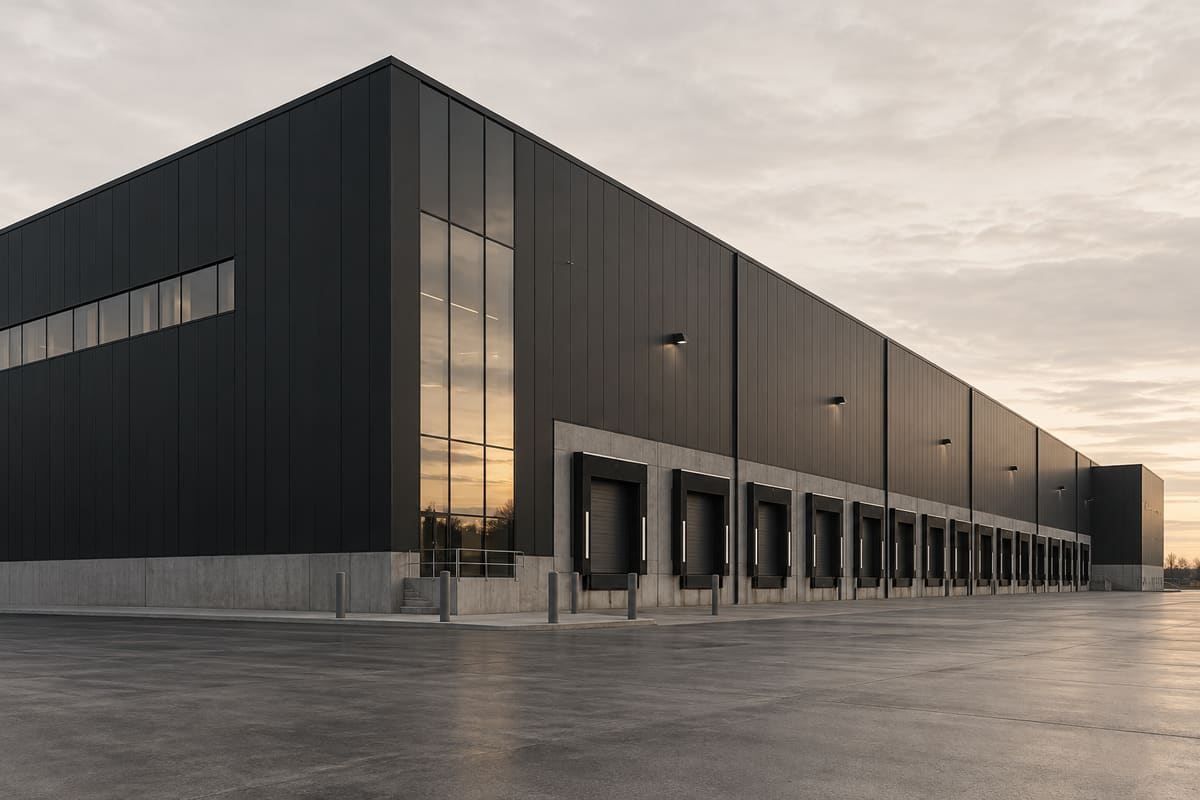
A tenant-occupied industrial property is sold with a contractual income stream and a continuing operating relationship. Buyers will test the lease, tenant, recoveries, security, physical asset, environmental record and future capital exposure together. Owners should prepare that evidence without disclosing unnecessary confidential or personal information.
This is general information, not legal, tax, environmental, engineering, accounting or investment advice. Obtain advice specific to the property and transaction.
1. Confirm what interest is being sold
Order the current Alberta title and identify the registered owner, parcels and interests. Have counsel confirm the property interest, lease status, assignment or notice requirements, lender matters, rights of first refusal or other contractual rights that may affect a sale.
Define whether the transaction includes one building, multiple parcels, expansion land, equipment, guarantees, deposits, service contracts and other rights or obligations. The marketing package should not simplify away a material transaction boundary.
- Title and legal parcels
- Lease and amendments
- Tenant rights affecting sale
- Guarantees and security
- Included assets
- Closing and notice requirements
2. Build a counsel-reviewed lease abstract
Summarize parties, premises, commencement, expiry, options, rent, escalations, additional rent, use, assignment, insurance, maintenance, repair, restoration, environmental obligations, default and other material provisions. Tie every abstracted term to the executed lease and amendment.
A brokerage abstract is an organization tool, not a legal opinion. Counsel should interpret ambiguous or conflicting terms and identify rights that could affect value, closing or future landlord control.
3. Reconcile rent, recoveries and collections
Tie scheduled base rent and additional rent to invoices, receipts, tenant ledgers and bank or accounting records. Reconcile property tax, insurance, utilities, common costs, management and other recoveries to the lease and annual statements.
Identify arrears, abatements, concessions, free rent, disputed amounts, caps, exclusions, gross-up provisions, audit rights and unresolved reconciliations. Keep reported, normalized and projected figures separate.
4. Document deposits, guarantees and tenant evidence
Organize deposits, letters of credit, guarantees and other security with their current status, custody, expiry and transfer requirements. Do not describe security as enforceable or transferable without legal review.
Stage tenant financial statements, credit information and ownership details according to confidentiality, purpose and authority. Buyer qualification can occur before the most sensitive tenant information is released.
5. Protect tenant and personal information
Separate material lease economics from personal contacts, identification, banking details and other protected information. Alberta's PIPA applies to private-sector organizations and should inform purpose, consent or other authority, safeguards, access and retention.
Use confidentiality agreements, controlled access and redaction proportionately. An NDA does not remove the need to limit collection and disclosure to information appropriate for the transaction stage.
6. Reconcile landlord work and future capital exposure
Identify outstanding landlord work, tenant improvements, allowances, repair obligations, roof and structure responsibilities, code matters, expansion rights and restoration obligations. Link commitments to contracts, invoices, permits and lease provisions.
Create a capital schedule for building systems, paving, drainage, loading, cranes and environmental matters. Buyer underwriting may treat future obligations differently from the seller's accounting presentation.
7. Align environmental evidence with the lease
Organize baseline reports, tenant environmental covenants, operating records, spills, regulator correspondence and subsequent assessments. Determine whether reports cover the whole property, whether reliance can be extended and what changed during the tenancy.
Allocation of environmental responsibility in a lease does not establish site condition or eliminate owner exposure. Qualified environmental and legal professionals should interpret the evidence and transaction response.
8. Present income durability without forecasting certainty
Show remaining term, escalation schedule, options, concentration, renewal context and property-level operating evidence. Separate contractual rent from market-rent opinion and separate current tenant performance from assumptions about renewal or reletting.
Pricing may consider income, comparable transactions, replacement alternatives and risk. A brokerage analysis is not an appraisal, and neither asking price nor municipal assessment proves transaction value.
9. Qualify buyers and compare complete offers
Request appropriate evidence of buyer authority, ownership, equity, lender engagement and approval steps before releasing sensitive documents. The brokerage must separately satisfy applicable FINTRAC client-identification, beneficial-ownership and recordkeeping obligations.
Compare price, deposit, financing, lease and tenant conditions, environmental and building review, representations, closing adjustments, assignment, timing and post-closing landlord obligations. Counsel should review the agreement and requested assurances.
10. Coordinate closing and tenant continuity
Plan title, lender discharges, lease assignment, deposits, rent and recovery adjustments, contracts, keys, records, insurance, authorized tenant notice and property-management handoff. Preserve a clear record of what tenant information was transferred and why.
CRA guidance states that sales and rentals of commercial real property are generally taxable unless a specific exemption applies. Obtain transaction-specific legal, tax, privacy, accounting and environmental advice. This guide does not guarantee income, tenant performance, value or closing.
Primary sources
Verify the current rules.
Government and regulator pages can change. These links were reviewed on August 26, 2026.
Alberta: Find land titles documents and plans↗Alberta: Personal Information Protection Act↗Alberta: Environmental Records Viewer↗CRA: Commercial real property—sales and rentals↗FINTRAC: Real estate sector requirements↗RECA: Real Estate Act Rules and standards of practice↗A real property decision?
Share the property, lease term, occupancy, confidentiality requirement and preferred timing.Who, how and why
Who: Commercially Research & Editorial.
How: Primary-source research and AI-assisted drafting were used to organize this guide around a practical commercial real estate decision. Source links, factual claims and material limitations were checked against Commercially's editorial standards on the review date.
Why: To help owners, buyers and tenants identify the records, questions and professional advice that belong in a real transaction work plan.
Editorial owner: Commercially Research & Editorial.
Commercial review: Slav Loban, Commercial Real Estate Division Leader.
Questions or corrections: hello@commercially.ca
Editorial review and correction standard →