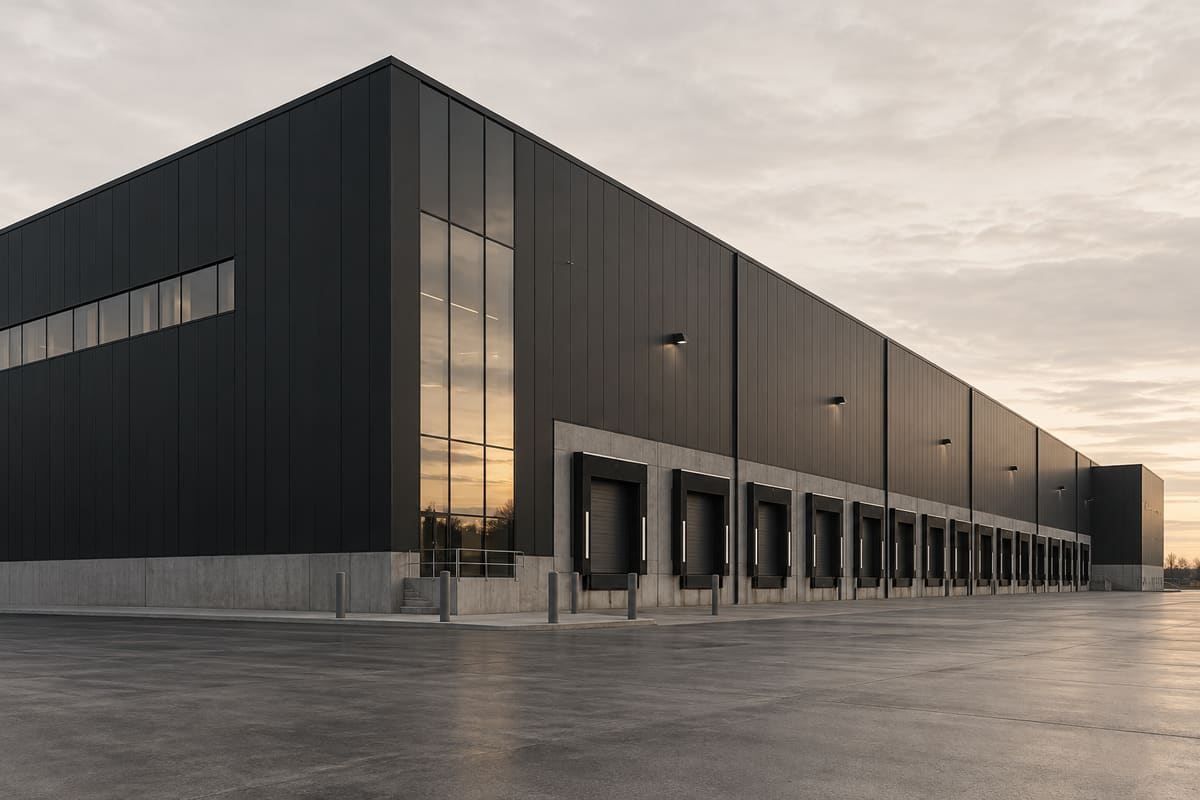
An industrial sale is shaped by more than address, area and asking price. Buyers test legal boundaries, occupancy, loading, power, yard, land use, permits, building systems, environmental history, tenancy and the assets included. Owners can improve price discovery and closing certainty by building a supportable property record before claims reach the market.
This is general information, not legal, tax, environmental, engineering, accounting or investment advice. Obtain advice specific to the property and transaction.
1. Define the sale, authority and owner priorities
Confirm the registered and beneficial owner, signing authority, internal approvals and any lender, partner, estate, court or corporate requirements. Order the current Alberta title and have counsel review registered interests, legal parcels and proposed transaction structure.
Set priorities across price, certainty, confidentiality, timing, continued operations, vacant possession, retained occupancy, included equipment and post-closing obligations. A headline price is not a complete result if the conditions, representations or transition cannot be performed.
- Ownership and authority
- Asset or property perimeter
- Vacant or occupied delivery
- Confidentiality
- Timing
- Price and non-price priorities
2. Reconcile the land and improvements
Match the civic address, legal description, title parcels, municipal record, plans and observed site. Identify easements, rights of way, utility corridors, shared access, encroachments, rail interests, yard licences and other arrangements that affect use or marketability.
State what is included: land, buildings, mezzanines, craneways, fenced yard, storage structures, fixtures, equipment and other assets. Counsel and tax advisors should address whether an item is a fixture, chattel, excluded asset or part of another transaction.
3. Verify the industrial specifications
Measure and source building area, site area, clear height, bay spacing, loading doors, dock equipment, cranes, floor capacity, yard depth, parking, office ratio and expansion area. Record the measurement convention, date and person or document supporting each figure.
Do not publish assumed electrical capacity, gas service, water, drainage, sprinkler classification, structural capacity or loading performance as verified. Utility providers and qualified engineers or contractors should confirm what the property and service can actually support.
- Building and site area
- Clear height and structure
- Dock and grade loading
- Power and utilities
- Yard and circulation
- Fire protection and building systems
4. Establish use, permit and safety-code records
Assemble available development, building, occupancy, fire, electrical, gas, plumbing, boiler, pressure-vessel and other relevant records. Compare approved use and alterations with current operations and observed construction; identify unresolved permits, orders or undocumented work for professional review.
Alberta's safety-code system spans multiple disciplines, while municipalities and accredited agencies administer applicable permits and inspections. A current operation or assessment classification does not prove that a buyer's future use is approved.
5. Build the environmental record early
Compile historical uses, neighbouring activities, tanks, sumps, drains, interceptors, spills, waste handling, fill, rail, chemicals, prior environmental reports and regulator correspondence. Search the Alberta Environmental Records Viewer and applicable regulator systems using the correct property identifiers.
A public-record search is not environmental clearance. Have a qualified environmental professional assess whether an existing Phase I can be relied upon, whether it remains current for the transaction and whether Phase II investigation or other work is warranted under the Alberta framework.
6. Prepare occupancy and operating evidence
For an owner-user building, document the intended move-out, equipment removal, decommissioning, repair, clean-out and vacant-possession plan. For an income property, reconcile leases, amendments, deposits, rent, recoveries, options, arrears and landlord obligations to accounting records.
Provide property taxes, insurance, utilities, maintenance, service contracts and capital history with their periods and sources. Separate property-level costs from owner-business expenses and separate reported results from marketing adjustments.
7. Identify remediation and capital decisions
Review roof, structure, paving, drainage, envelope, HVAC, electrical, fire protection, loading systems, cranes, fences and yard condition. Organize reports, warranties, claims, repairs and current quotes; do not represent an estimate as completed work.
The owner can repair before launch, disclose and price the issue, provide a credit or holdback, or allow the buyer to investigate and propose terms. The appropriate response depends on technical, legal, tax, insurance and market advice.
8. Choose positioning and market access
Define the likely buyer universe: owner-users, investors, developers, neighbouring owners or specialized operators. Position operational facts for that audience without promising approvals, environmental condition, future expansion, power availability or investment performance.
Use an open launch, targeted process or confidential release according to owner sensitivity, tenant rights and buyer depth. Set qualification, tour, question, document-access and offer procedures before outreach begins.
9. Compare offers on execution
Compare price with deposit, buyer authority, equity, financing, environmental and building conditions, access, requested tests, use approvals, representations, assignment, closing, possession and included assets. Model likely net proceeds and operational disruption under each offer.
FINTRAC obligations for applicable real estate activity include client identification, beneficial-ownership and recordkeeping requirements. Brokerage compliance is separate from the owner's commercial assessment of buyer capability.
10. Coordinate tax and closing transition
The CRA states that a sale of commercial real property is generally taxable unless a specific exemption applies. Obtain transaction-specific GST, income-tax, corporate and accounting advice, including treatment of included assets and any continuing occupancy.
Plan title, discharges, permits and reports, keys, contracts, utilities, insurance, environmental and equipment obligations, tenant matters, possession and post-closing access. This guide is educational and is not legal, tax, environmental, engineering, appraisal, insurance or accounting advice.
Primary sources
Verify the current rules.
Government and regulator pages can change. These links were reviewed on August 26, 2026.
Alberta: Find land titles documents and plans↗Alberta: Environmental Records Viewer↗Alberta Environmental Site Assessment Standard↗Alberta: Safety codes↗Alberta: Building codes and standards↗CRA: Commercial real property—sales and rentals↗FINTRAC: Real estate sector requirements↗RECA: Real Estate Act Rules and standards of practice↗A real property decision?
Share the property, occupancy, timing, environmental record and owner objective. No public posting is required.Who, how and why
Who: Commercially Research & Editorial.
How: Primary-source research and AI-assisted drafting were used to organize this guide around a practical commercial real estate decision. Source links, factual claims and material limitations were checked against Commercially's editorial standards on the review date.
Why: To help owners, buyers and tenants identify the records, questions and professional advice that belong in a real transaction work plan.
Editorial owner: Commercially Research & Editorial.
Commercial review: Slav Loban, Commercial Real Estate Division Leader.
Questions or corrections: hello@commercially.ca
Editorial review and correction standard →