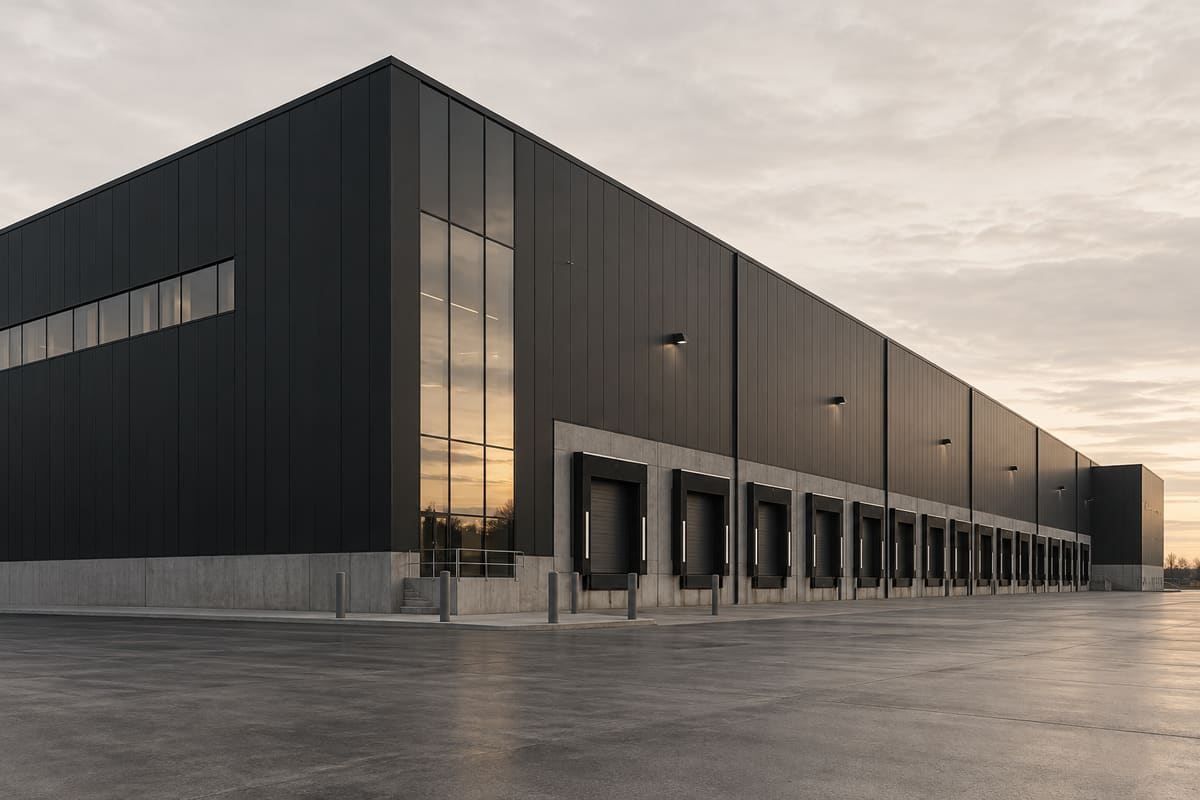
An industrial data room should let a qualified buyer test the property without mistaking a marketing statement for technical assurance. The useful record connects every material fact to a source, date, scope and responsible party, while preserving confidentiality, report-reliance limits and a clear correction trail.
This is general information, not legal, tax, environmental, engineering, accounting or investment advice. Obtain advice specific to the property and transaction.
1. Create the document and source ledger
List every file with category, title, date, author, property scope, source owner, verification status, access level and current version. Preserve native originals and identify redactions, summaries and superseded documents.
Separate owner-provided records, public records, professional reports, brokerage analysis and buyer-created assumptions. A polished folder structure does not make an unverified statement reliable.
- Document index
- Source and author
- Effective date
- Property scope
- Reliance status
- Version and access history
2. Establish legal property boundaries
Include the current title, legal description, plans and relevant instruments. Organize easements, rights of way, shared access, utility interests, restrictive covenants, caveats and other registered matters for legal review.
State whether the sale includes multiple parcels, buildings, yard licences, rail access, equipment, fixtures or chattels. Do not use the civic address as the only description of the property being sold.
3. Source plans, areas and physical specifications
Provide surveys, site plans, architectural and structural drawings, floor plans and measurement records where available. State the area definition and source for site, building, office, warehouse, mezzanine and other reported areas.
Build a specification register for clear height, column spacing, floors, loading, dock equipment, cranes, yard, parking, fire protection, HVAC, lighting and building envelope. Mark observed, owner-reported and professionally verified fields differently.
4. Organize land-use and permit history
Include current municipal land-use information and available development, building, occupancy and trade permits. Identify additions, mezzanines, change of use, exterior storage, signage, tanks and equipment installations that require further record review.
Alberta's safety-code framework covers building, electrical, fire, gas, plumbing and other disciplines. The authority having jurisdiction and qualified professionals should confirm the meaning and status of permits, inspections and outstanding work.
5. Build an environmental chronology
Index historical uses, tanks, spills, waste manifests, remediation, correspondence, prior reports and current operations. Include provincial and regulator search results with the identifiers, radius, systems and dates searched.
For each Phase I, Phase II or remediation report, identify client, author, date, property boundary, purpose, limitations, recommendations and whether reliance can be extended. An old report or clean database search is not a current professional conclusion for the buyer.
6. Document utilities and operational capacity
Organize electrical one-lines, service information, demand history, transformer and distribution records, gas, water, sanitary and storm information, telecom, fire flow and other utility records. Preserve utility and engineer correspondence rather than converting estimates into promises.
Include loading-door schedules, dock and leveller service, crane inspection and capacity records, floor information, yard drainage and snow or access arrangements. The buyer's proposed operation may require new utility, structural, code or municipal review.
7. Present condition and capital history
Create a dated schedule for roof, envelope, structure, paving, drainage, HVAC, electrical, fire protection, loading systems, cranes and other major components. Link invoices, warranties, service reports, claims, inspections and current quotes.
Separate completed work, planned work, budget estimates and known unresolved items. State whether professional reports permit buyer reliance and whether their scope covers the whole property.
8. Reconcile leases and property operations
For occupied assets, include controlled copies of leases, amendments, options, deposits, notices, guarantees and material correspondence. Tie rent, recoveries, arrears and landlord work to the accounting record and current operating-cost schedules.
For owner-user assets, organize contracts, equipment-removal plans, decommissioning, shared services and vacant-possession obligations. Separate property operations from the owner's operating business and personal information.
9. Stage access and protect sensitive records
Use qualification and confidentiality controls before releasing tenant financials, security information, building access, personal information, proprietary process details or sensitive environmental and utility records. Alberta's PIPA requires private-sector organizations to manage personal information for appropriate purposes with safeguards.
Track recipients, downloads where available, questions, official answers, corrections and destruction obligations. Do not rely on an NDA as permission to disclose information that is unnecessary for the transaction stage.
10. Correct the record and state limitations
When a material fact changes, update the controlled source, preserve the prior version and notify affected recipients. Distinguish a known error from an unresolved question and identify the person responsible for follow-up.
This guide is an educational information-management framework. It is not legal advice, a disclosure opinion, environmental clearance, engineering assurance, code review, appraisal, audit, privacy assessment or guarantee that a data room is complete for a particular sale.
Primary sources
Verify the current rules.
Government and regulator pages can change. These links were reviewed on August 26, 2026.
Alberta: Find land titles documents and plans↗Alberta: Environmental Records Viewer↗Alberta Environmental Site Assessment Standard↗Alberta: Safety codes↗Alberta: Building codes and standards↗Alberta: Personal Information Protection Act↗RECA: Real Estate Act Rules and standards of practice↗A real property decision?
Tell us which legal, physical, environmental, operating and tenancy records are available.Who, how and why
Who: Commercially Research & Editorial.
How: Primary-source research and AI-assisted drafting were used to organize this guide around a practical commercial real estate decision. Source links, factual claims and material limitations were checked against Commercially's editorial standards on the review date.
Why: To help owners, buyers and tenants identify the records, questions and professional advice that belong in a real transaction work plan.
Editorial owner: Commercially Research & Editorial.
Commercial review: Slav Loban, Commercial Real Estate Division Leader.
Questions or corrections: hello@commercially.ca
Editorial review and correction standard →