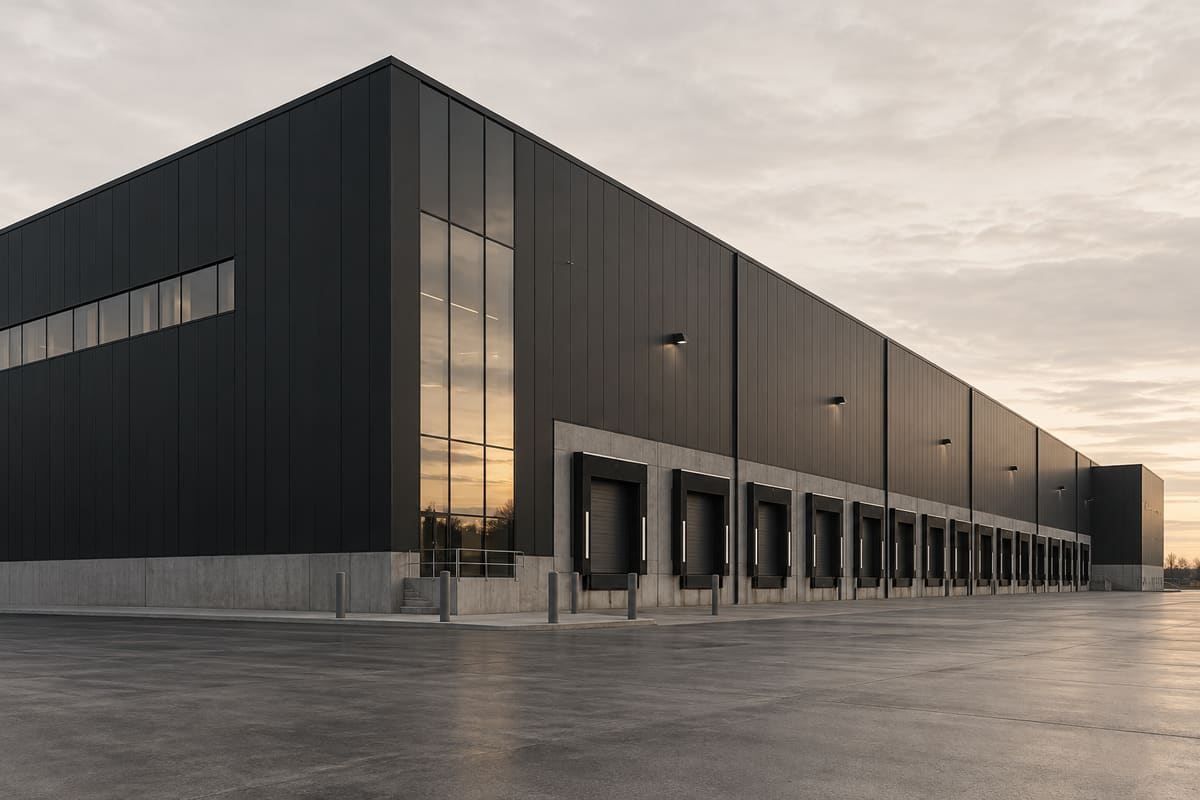
Vacancy gives a buyer potential possession and operating flexibility, but it also exposes the owner to carrying cost, building deterioration, security, insurance, utilities and uncertain future-use questions. A strong disposition makes vacancy status and delivery evidence explicit instead of treating an empty building as automatically ready for every industrial user.
This is general information, not legal, tax, environmental, engineering, accounting or investment advice. Obtain advice specific to the property and transaction.
1. Define when and how vacant possession will be delivered
Record whether the building is currently vacant, owner-occupied until a date, subject to a licence, used for storage or affected by a prior tenant's restoration. Identify excluded equipment, remaining inventory, access, keys and post-closing work.
Vacant in marketing language does not prove legal or physical possession. Counsel should reconcile leases, licences, overholding, security interests and contractual surrender evidence.
- Possession date
- Occupants and licences
- Equipment and fixtures
- Clean-out
- Restoration
- Keys and access
2. Establish title, parcel and approved-use evidence
Order current title and index parcels, plans, access, easements, yard, parking and shared arrangements. Assemble municipal land-use, development, building, trade, occupancy and fire records available for the property.
The prior operation and vacancy do not preserve approval for a buyer's activities. Market the documented property and direct use-specific conclusions to the municipality and qualified professionals.
3. Stabilize and protect the vacant building
Create a vacant-property plan for heat, water, roof and drainage checks, fire systems, alarms, security, lighting, pests, snow, landscaping, utilities, emergency contacts and documented inspections. Confirm insurer and lender requirements before vacancy or a material occupancy change.
A locked building is not a maintenance plan. Preserve dated logs and incident records without representing them as an engineering or insurance opinion.
4. Build an effective-date condition and capital record
Document roof, envelope, structure, paving, drainage, loading, HVAC, electrical, plumbing, fire protection, cranes, racking and yard condition. Link prior reports, repairs, warranties, service records and current quotes.
Separate completed work, active failures, deferred maintenance and buyer-option improvements. Do not advertise a replacement quote as completed capital or an old report as current condition.
5. Resolve environmental and decommissioning questions
Compile historical uses, tanks, drains, sumps, chemicals, waste, spills, environmental reports and regulator correspondence. Document equipment removal, cleaning, waste disposition and any process decommissioning.
Vacancy or a clean interior does not prove soil, groundwater or building-material condition. A qualified environmental professional should define reliance and further work for the transaction.
6. Verify the industrial specifications buyers will screen
Source building and site area, office ratio, clear height, columns, floor, doors, docks, yard, parking, power, gas, water, sewer, ventilation and fire systems. Identify measurement method, source, date and limits.
Do not describe service capacity, storage capacity, floor load, crane capacity or sprinkler adequacy as verified without the responsible utility or professional evidence.
7. Decide what work improves marketability
Compare as-is sale, targeted repair, clean and secure delivery, code or permit resolution, white-box work and occupier-specific improvements. Test whether each item broadens the buyer pool, reduces uncertainty or merely spends capital that a different buyer would replace.
Use qualified budgets and owner decision gates. A cosmetic improvement cannot cure title, environment, water intrusion, functional obsolescence or approval risk.
8. Position vacancy without inventing future use
Identify likely owner-users, investors, developers and neighbouring owners from the documented physical and market attributes. Show possession, loading, yard, systems and adaptability while clearly separating observed facts from buyer-dependent use or renovation scenarios.
Do not market every empty industrial building as turnkey, redevelopment-ready or suitable for a named use without evidence. The buyer controls its operation, design, permits, financing and opening path.
9. Track carrying cost and market response
Maintain a dated schedule of debt, tax, insurance, utilities, security, maintenance, management, winter operation and required capital. Track qualified inquiries, tours, objections, requests, offers and reasons opportunities do not advance.
Carrying cost can inform timing and negotiation but does not prove market value. Update positioning from verified response rather than using unsupported urgency claims.
10. Compare offers by certainty and handover
Compare price with deposit, buyer authority, financing, property and environmental conditions, tests, access, use review, representations, included assets, closing and possession. Assess the owner's ability to perform every requested covenant and delivery obligation.
Commercially can build and execute a controlled vacant-industrial disposition. It does not certify title, environmental condition, building systems, insurability, municipal approval, market value, tax or buyer financing.
Primary sources
Verify the current rules.
Government and regulator pages can change. These links were reviewed on August 26, 2026.
RECA: Real Estate Act Rules↗Alberta: Find land titles, documents or plans↗Alberta: Building codes and standards↗Alberta: Fire codes and standards↗Alberta: Contaminated-site remediation↗CRA: Commercial real property—sales and rentals↗Appraisal Institute of Canada: CUSPAP 2026↗Appraisal Institute of Canada: Highest and best use↗Alberta: Municipal property assessment↗Calgary: Industrial property assessments↗Edmonton: 2026 industrial warehouse assessment methodology↗A real property decision?
Share the Alberta property, vacancy status, condition, records and timing. No public listing is created by the inquiry.Who, how and why
Who: Commercially Research & Editorial.
How: Primary-source research and AI-assisted drafting were used to organize this guide around a practical commercial real estate decision. Source links, factual claims and material limitations were checked against Commercially's editorial standards on the review date.
Why: To help owners, buyers and tenants identify the records, questions and professional advice that belong in a real transaction work plan.
Editorial owner: Commercially Research & Editorial.
Commercial review: Slav Loban, Commercial Real Estate Division Leader.
Questions or corrections: hello@commercially.ca
Editorial review and correction standard →